macro-economy
Vietnam’s fruit and vegetable exports climbed 17.8% year-on-year to US$3.65 billion in the first six months of 2026, with second-quarter shipments alone valued at $2.18 billion, according to the Ministry of Agriculture and Environment. The ministry forecasts that the sector’s growth momentum will continue throughout 2026, supported by abundant supplies and stable market demand, which are expected to place little pressure on domestic prices.
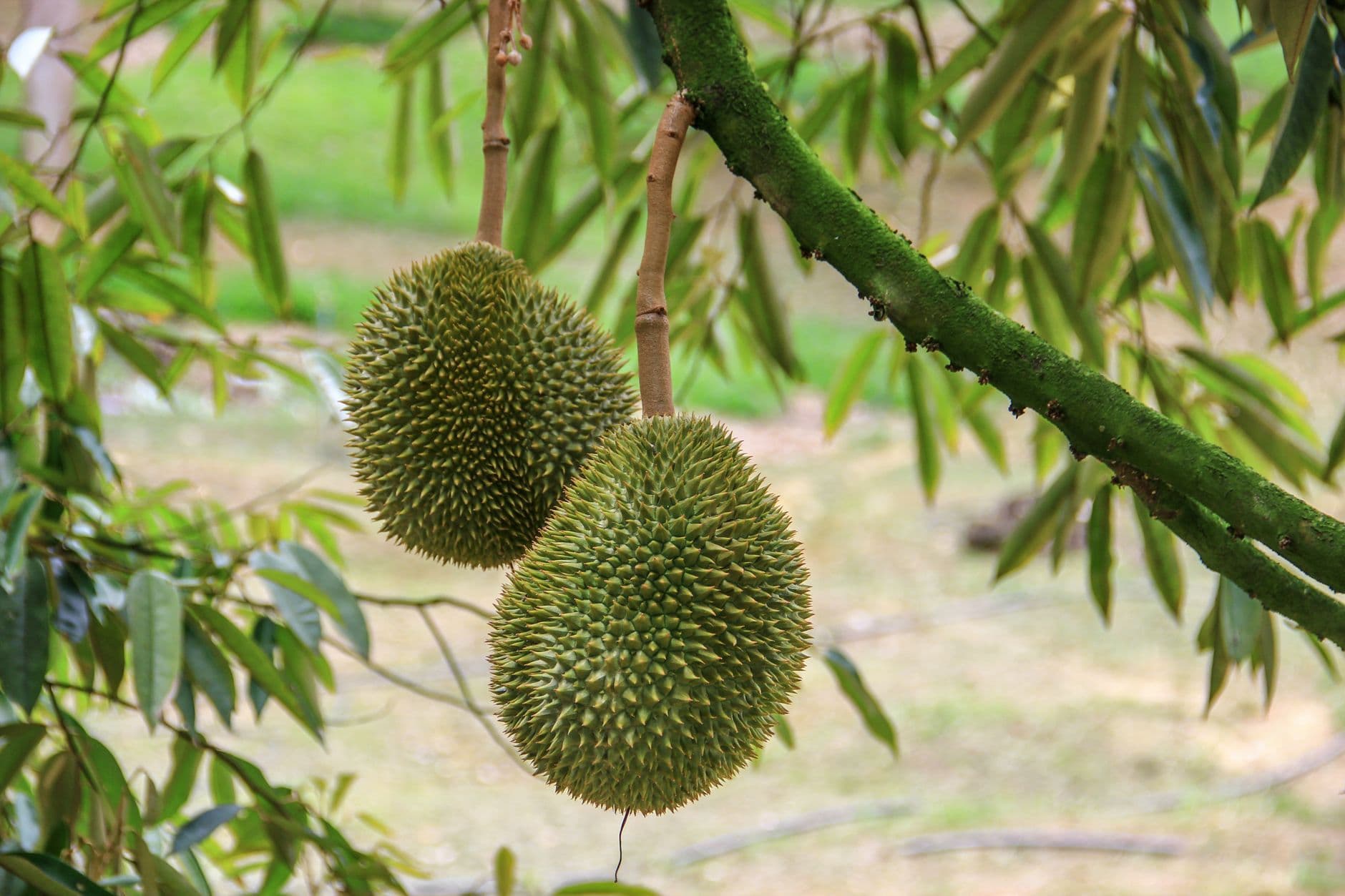
The surge was led by durian, which has become the country's top fruit export. According to the Vietnam Fruit and Vegetable Association, durian exports generated nearly $562 million in the first five months of 2026, an increase of approximately 46% from the same period a year ago. The fruit is now shipped to 28 markets worldwide. Data from the Crop Production and Plant Protection Department shows Vietnam has about 192,000 hectares dedicated to durian cultivation, with output forecast to rise from 1.8 million tonnes in 2025 to between 2 and 2.1 million tonnes this year. Exports of lychees and coconuts also recorded double-digit growth, bolstered by strong demand from major markets including China, the U.S., and South Korea.
Nguyen Quoc Manh, deputy director of the Crop Production and Plant Protection Department, identified China as the largest market for Vietnamese produce, with shipments to the country growing by 65-70% annually in recent years. To reduce dependence on a single market, the ministry is negotiating access for more fruits in high-value markets such as the U.S., Japan, South Korea, and Australia.
Manh noted that Vietnam's fruit and vegetable industry is undergoing a strategic shift, moving away from expanding cultivation areas to focusing on improving quality, increasing added value, and promoting sustainable development. The most significant challenge facing the industry is the increasingly stringent quality and food safety requirements from importing markets, particularly the European Union and China. Additionally, rising input costs driven by global economic and geopolitical uncertainties are pressuring producers and businesses.
Looking ahead, Manh said the ministry’s five-year plan includes stepping up research into new fruit and vegetable varieties suited to domestic conditions and market demand. The strategy also involves promoting deep processing, expanding export markets, and implementing a low-emission crop production plan for 2025-2035. These initiatives aim to build a greener, more competitive industry while improving farmers' incomes.
Top 5 Vietnam business stories in your inbox every morning. Free, no spam.