
macro-economy
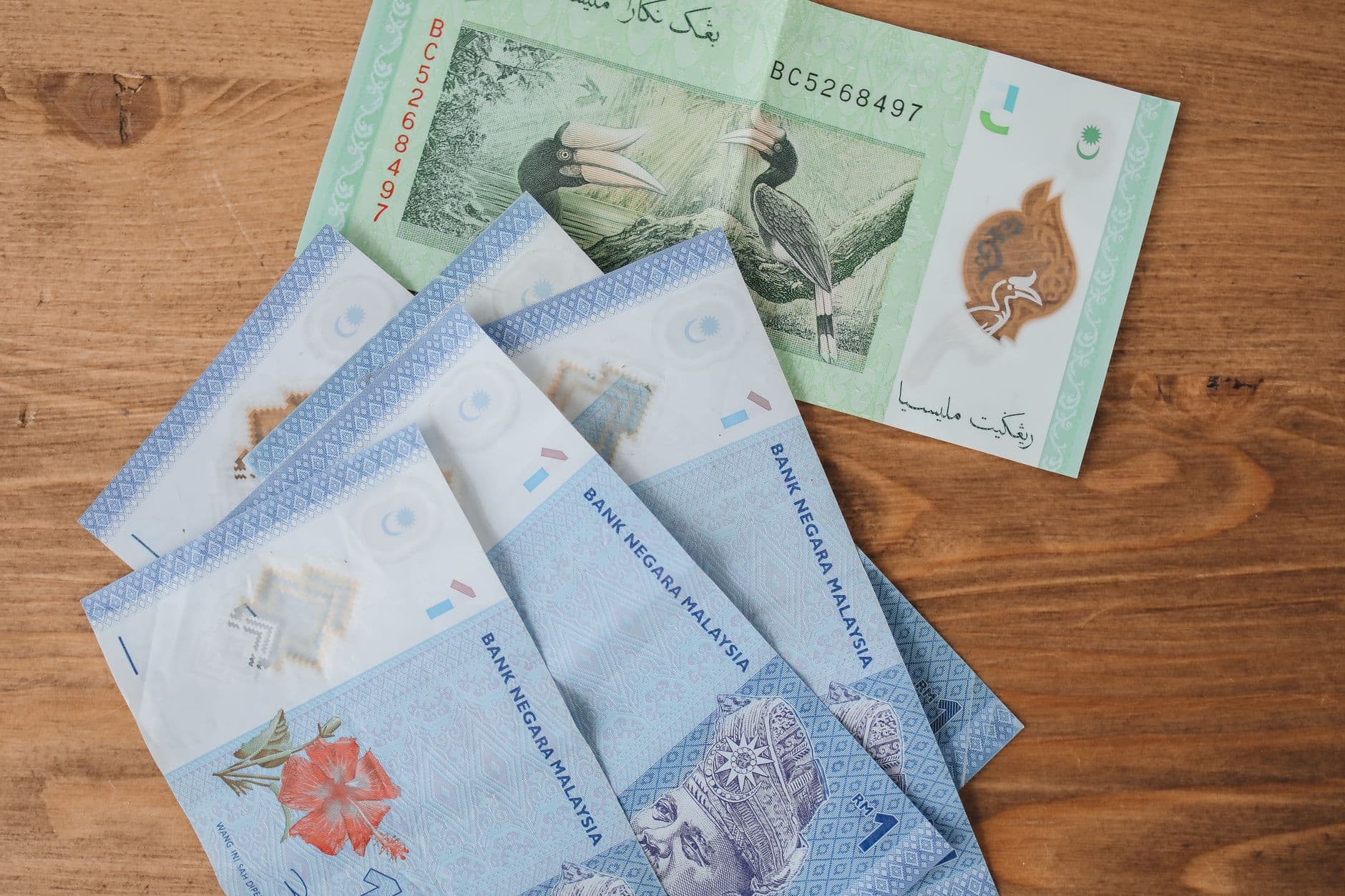
The Malaysian ringgit is expected to weaken further against the Singapore dollar in the second half of 2026, as the prospect of higher U.S. interest rates and other external factors continue to apply pressure.
The increasing volatility has made individuals like Yaw Poh Ling, a 52-year-old administrative worker in Singapore who sends money to her parents in Malaysia monthly, more strategic. "I always check the exchange rate on my CIMB Bank app before making a transfer," The Straits Times quoted Ling as saying. Her vigilance may become more rewarding, as analysts widely anticipate further ringgit depreciation.
The ringgit, which was named Asia's best-performing currency in 2025 by The Star, has weakened 0.2% against the Singapore dollar so far this year, a reversal from its 4% appreciation in 2025. It was trading at 3.17 per Singapore dollar on June 26, near a six-month low of 3.21 reached on June 22.
Against the U.S. dollar, the currency fell to 4.1349 on June 24, its weakest point since November 2025. This followed a 1.7% depreciation over the previous week, which occurred despite record foreign inflows into the nation's bonds. MBSB Research noted the currency has retreated significantly from its February 27 peak of 3.8847, moving further from the key psychological level of 4.00.
In response, Bank Negara Malaysia announced on June 24 that it would increase measures to support the ringgit. The central bank plans to encourage companies to repatriate and convert more of their overseas earnings into the local currency.
The bank’s Financial Markets Committee stated that the ringgit's recent weakness was driven mainly by external developments rather than domestic economic fundamentals. It noted that while an interim peace agreement between the U.S. and Iran had eased geopolitical uncertainty, investor focus remains on the prospect of higher U.S. interest rates amid persistent inflation risks. The committee also said foreign investors have adopted a wait-and-see approach ahead of state elections in Johor and Negeri Sembilan, which added to the pressure on the ringgit in June.
Analysts suggest the central bank's measures may have a limited impact. OCBC foreign exchange strategist Christopher Wong said the moves are more likely to stabilize markets than to trigger a lasting rebound. Writing in The Business Times, he cited expectations of higher U.S. interest rates, rising Treasury yields, and cautious investor sentiment as significant headwinds, forecasting the ringgit will weaken to around 3.2 against the Singapore dollar by the end of 2026.
DBS senior currency economist Philip Wee said that while Malaysia favors a stronger ringgit as a signal of economic resilience, the currency is more vulnerable than the Singapore dollar if the U.S. Federal Reserve raises interest rates at its September policy meeting, as is widely expected. A weaker ringgit could, however, encourage more Singaporeans to shop across the border.
Oriano Lizza, a sales trader at CMC Markets, attributed the ringgit's slide to expectations of another U.S. rate hike, which has boosted demand for U.S. assets and drawn capital from emerging markets like Malaysia. He added that lower oil prices have also weighed on the currency, given Malaysia is a net energy exporter. Lizza noted the Singapore dollar has weakened less because it is managed against a basket of currencies, and he expects the Malaysian currency to fall to between 3.20 and 3.25 against the Singapore dollar by the end of 2026, barring any major policy surprises.
Top 5 Vietnam business stories in your inbox every morning. Free, no spam.