macro-economy
Ho Chi Minh City has unveiled an ambitious economic development plan aiming to elevate its services sector to contribute 60–65% of its Gross Regional Domestic Product (GRDP) by 2030, and 70–75% by 2040. The strategy, issued by the city's People's Committee, is designed to establish the southern metropolis as a leading services hub in Southeast Asia.
The plan positions the services sector as the primary engine for economic growth and a key driver in restructuring the city’s economy towards greater efficiency and modernization. Officials are targeting annual growth in the services sector of 12–14% between 2025 and 2030, with a projected growth rate of 11–13% per year from 2030 to 2040.
The strategy outlines three priority industry groups. Strategic sectors include finance, banking, insurance, information and communications, transportation and logistics, and science and technology. Potential growth areas have been identified as education, healthcare, and the digital economy, while supporting sectors encompass trade, real estate, and arts and entertainment.
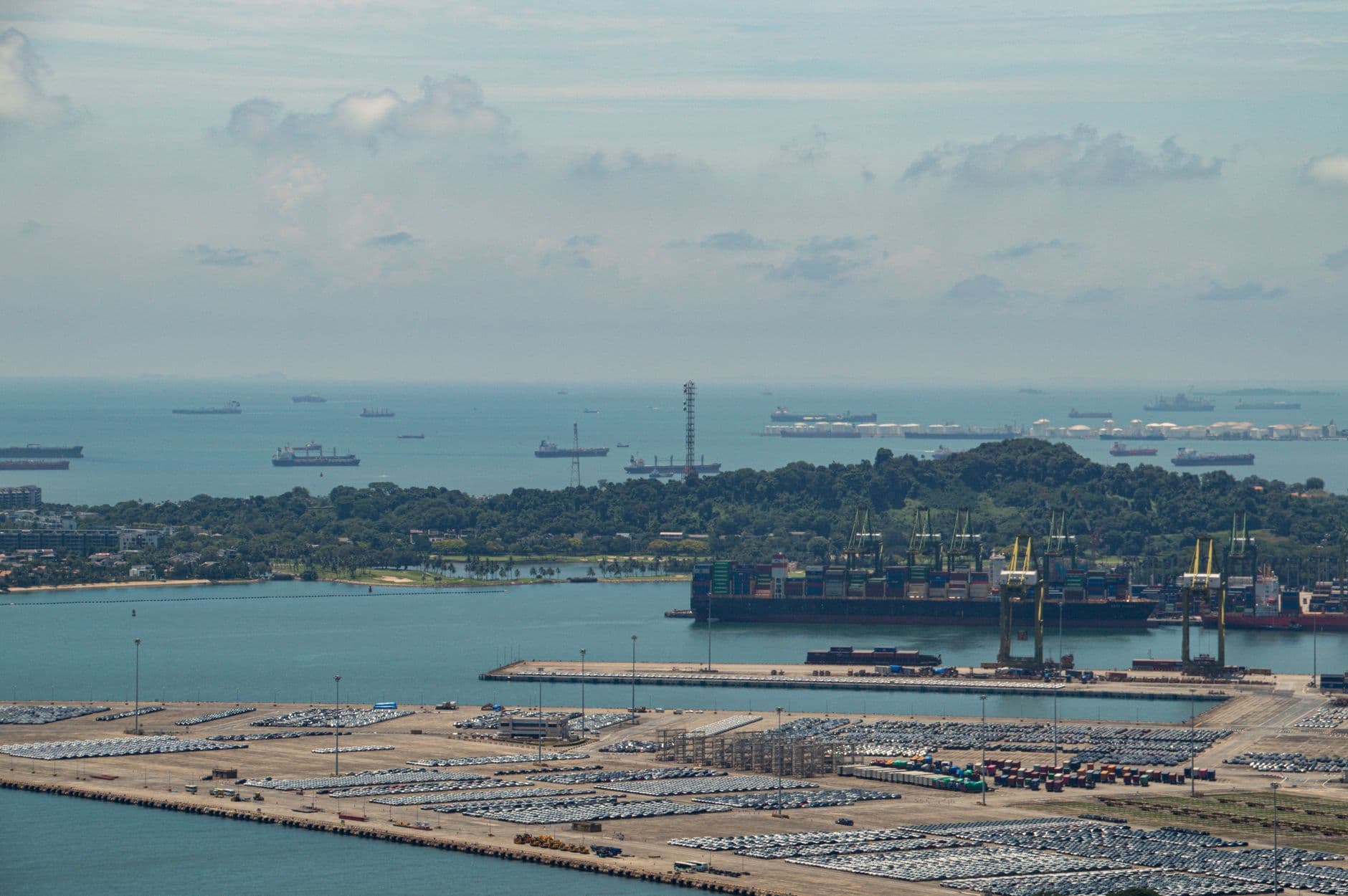
A central component of the initiative is a “5+1” development model. This framework positions Vietnam's International Financial Centre in Ho Chi Minh City as the core, connected to five strategic service hubs focused on maritime and logistics; information, communications, and innovation; tourism; healthcare; and education and training.
By 2030, the city aims to be Southeast Asia’s premier services center and Vietnam’s leader in the digital economy, finance, and technology. The vision extends to 2035, when it targets becoming a leading service hub in Asia and joining the world's top 100 fastest-growing cities. By 2045, the city aspires to achieve global service-center status and rank among the top 50 most modern and sustainable cities worldwide.
Top 5 Vietnam business stories in your inbox every morning. Free, no spam.