macro-economy
Vietnam’s robust first-quarter economic growth is facing headwinds from rising energy costs and external pressures, with recent data pointing to a mixed near-term outlook, according to a report from United Overseas Bank (UOB) released on June 12.
The nation’s economy expanded by 7.83% year-on-year in the first quarter of 2026, slowing from 8.46% in the fourth quarter of 2025 but surpassing both UOB’s 7% forecast and the Bloomberg consensus of 7.6%. This growth was driven by the manufacturing, construction, and services sectors, supported by a 19.1% surge in exports and a 9.1% rise in realised foreign direct investment to $5.41 billion, as companies continue to diversify supply chains amid shifting global trade rules.
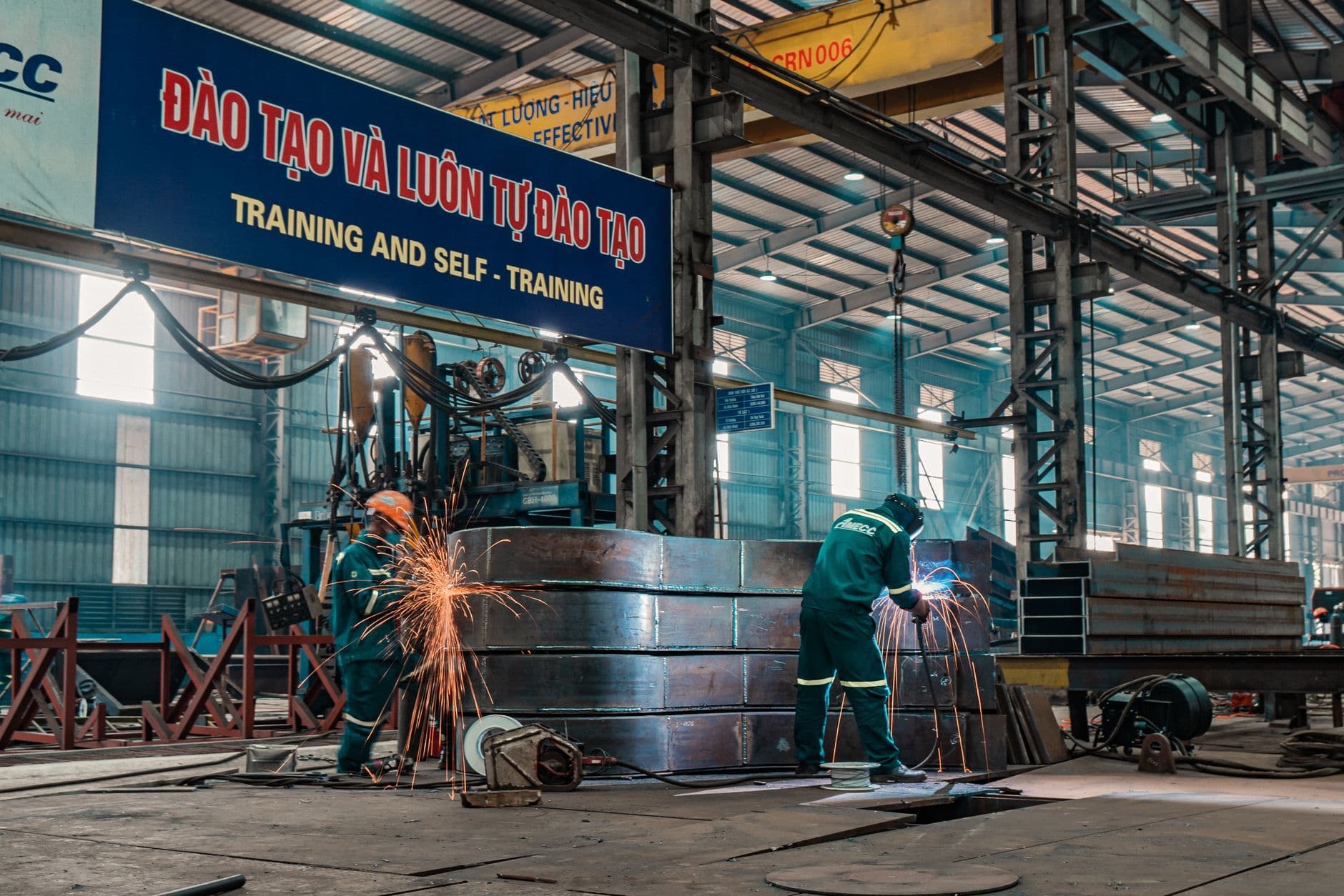
However, more recent indicators suggest momentum is waning as higher energy costs take a toll. While the Manufacturing Purchasing Managers' Index improved to 52.8 in May from 50.5 in April and 49.8 a year prior, and the output index climbed to 55.6, other data reveal emerging strains. Inflation accelerated to a six-year high of 5.6% in May. Manufacturing output growth slowed to 9% year-on-year from 10% in April, pulling the second-quarter average down to 9.5% from 11% in the first quarter.
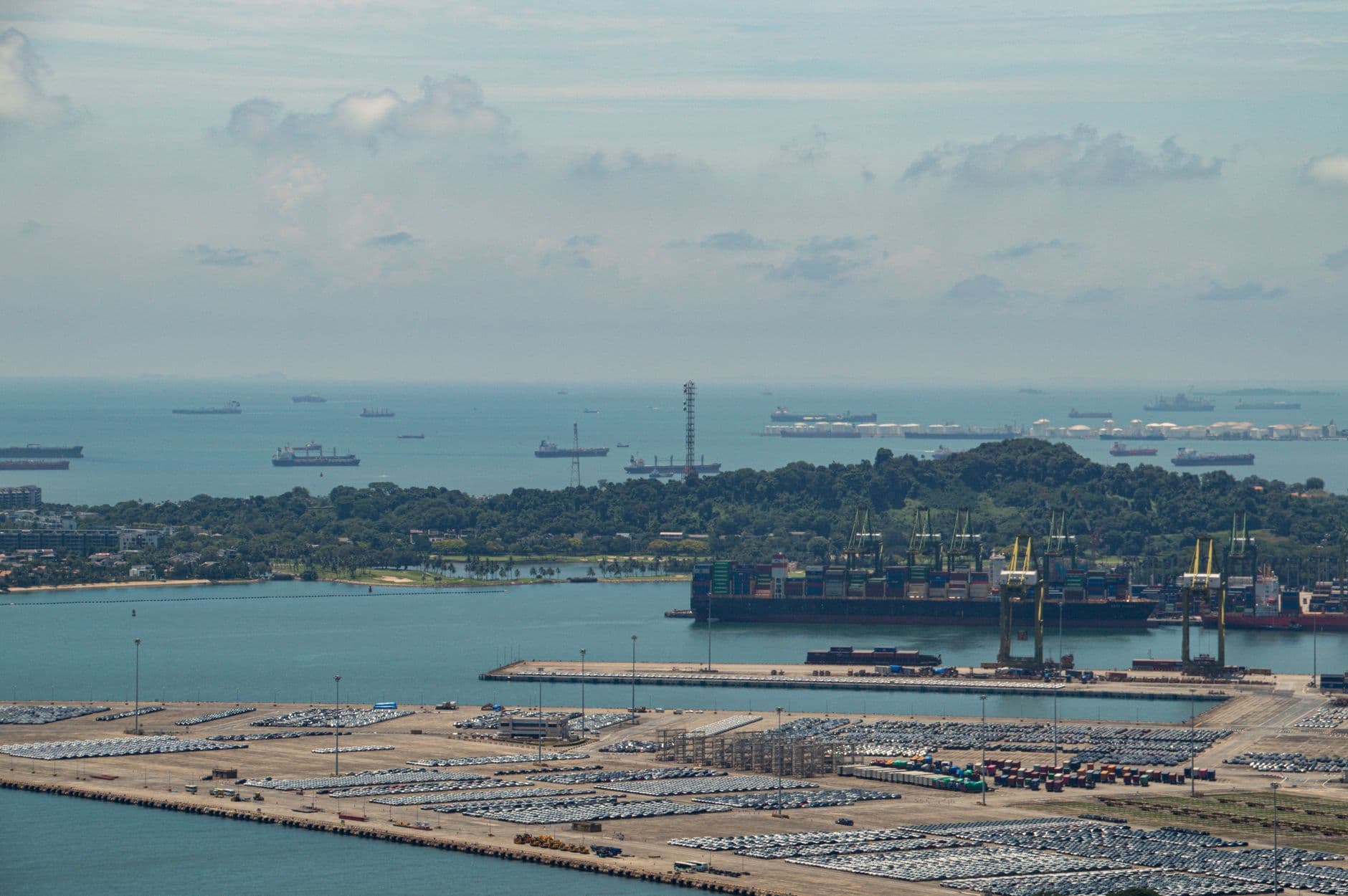
The trade balance has also deteriorated significantly. Export growth eased to 18% year-on-year in May from 21% in April, while import growth quickened to 33.8% from 32.5%. This resulted in a trade deficit of $12.7 billion for the first five months of the year, a sharp reversal from a nearly $5 billion surplus in the same period of 2025 and marking the widest trade gap in almost three decades.
UOB expects these pressures on the balance of payments to continue. High demand for imported machinery for large-scale infrastructure and transport projects, combined with elevated oil prices, will inflate the import bill. The bank’s simulations suggest that if crude oil averages $100 per barrel for six to 12 months, Vietnam’s energy import costs could increase by approximately 40%, or $5.2 billion, in 2026. In that scenario, the current account surplus could shrink by about 20%, or $6.5 billion, from an estimated $33 billion in 2025.
Despite these near-term challenges, Vietnam’s medium-term ambitions remain high. In April, the National Assembly approved a 2026–2030 development plan targeting average annual GDP growth of at least 10%. By 2030, the government aims for upper-middle-income status, a modern industrial base, a position among the world’s 30 largest economies, and a GDP per capita of $8,500. In contrast, the World Bank offers a more conservative forecast of 6.8% growth and 4.2% inflation for 2026, citing risks from the Middle East conflict on trade and fuel prices.
UOB highlighted persistent risks in its report. "In our view, downside risks from energy prices and possible shifts in US tariff policy remain significant, though external demand has held up so far, supported in part by the global AI build-out. On balance, we continue to expect growth to moderate to 7 per cent in 2026. The most challenging period is likely in 2Q26-3Q26, with growth averaging about 6.7 per cent," the bank noted.
Inflation remains a primary concern for the State Bank of Vietnam (SBV). The five-month average of 4.3% year-on-year is near the central bank's 4.5% annual target, and the SBV anticipates it could reach 5.5% this year. "As SBV monitors downside pressure on the VND, its preference is likely to keep policy rates steady," UOB stated.
Separately, the SBV has been urging commercial banks to lower lending rates to support businesses, while the government has deployed fiscal measures like extending a zero-rate tax on certain fuels until the end of June. Despite this, some local banks have increased deposit rates amid rising competition for liquidity. As of April 28, outstanding loans had reached over $76 billion, an 18.26% year-on-year increase, while total liquidity grew at a slower pace of 7.7%.
Top 5 Vietnam business stories in your inbox every morning. Free, no spam.