
macro-economy
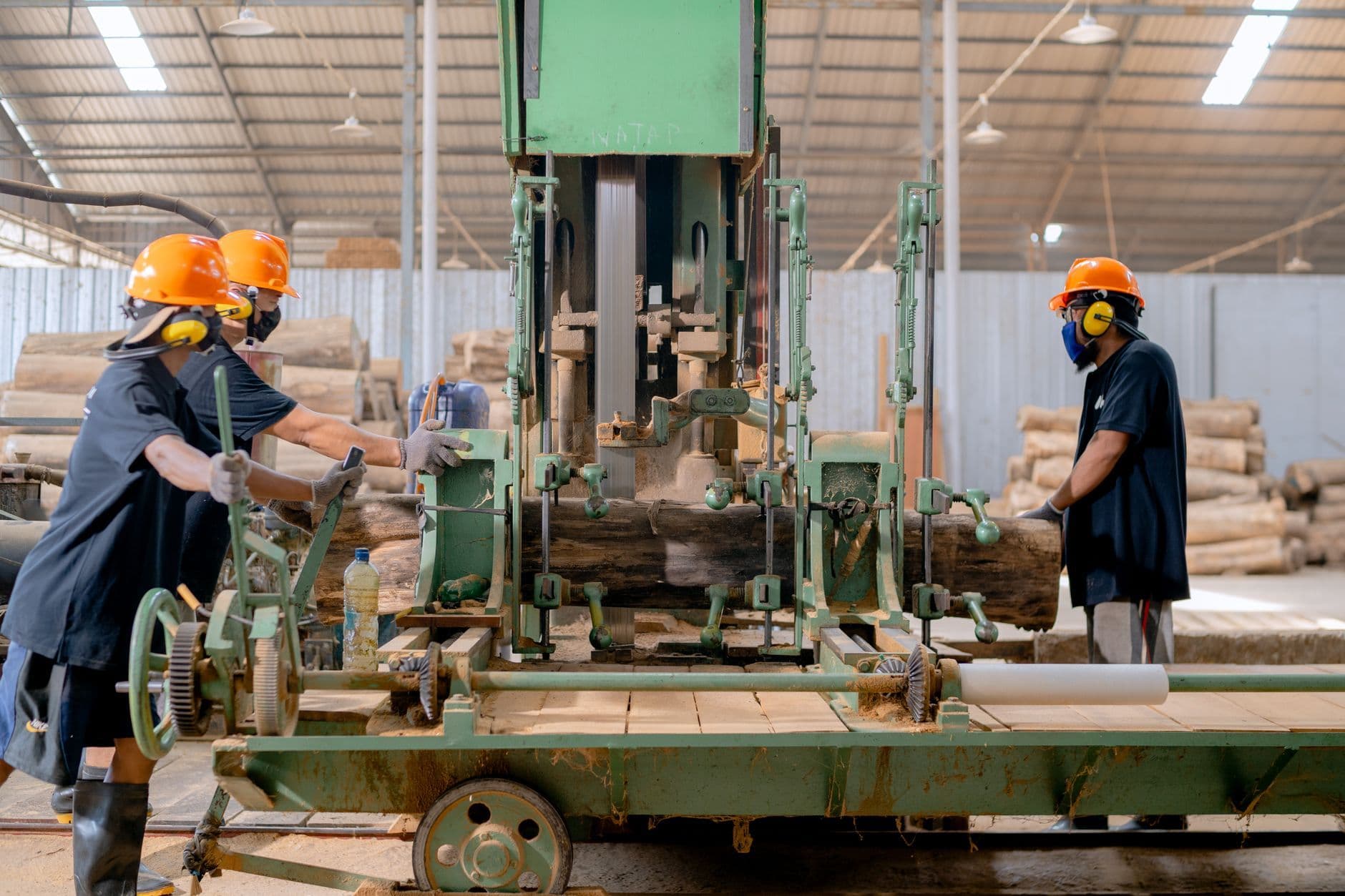
Vietnam’s wood product exports continued to expand in the first five months of 2026, primarily supported by increased demand from Asian markets, even as the industry confronts mounting pressure from trade defense actions and stringent European environmental standards.
Export value for wood and wood products was an estimated $1.55 billion in May 2026, bringing the total for the first five months of the year to $7.12 billion, a 4.4% increase over the same period in 2025, according to data from the Ministry of Agriculture and Environment.
The United States remains the largest single market, absorbing 49.2% of Vietnam's total wood exports during the five-month period. China and Japan were the second and third-largest destinations, with market shares of 15.2% and 13.1%, respectively.
However, performance varied significantly across key markets. Shipments to the US declined by 6.5% year-on-year in the first five months of 2026. In contrast, exports to China surged by 48.3%, and the Japanese market grew by 6%. Among the top 15 markets, the Netherlands posted the highest growth, with turnover increasing 2.3 times, while South Korea saw the sharpest fall at 19.2%.
Adding to competitive pressures, the industry is facing heightened scrutiny from trade partners. On March 11, 2026, the Office of the United States Trade Representative (USTR) initiated a Section 301 investigation into wooden furniture imports, including those from Vietnam, citing concerns over trade surpluses and currency manipulation.
The Vietnam Timber and Forest Product Association (VIFOREST) stated that the industry is at a crossroads as importing countries tighten regulations on environmental impact, carbon emissions, and the traceability of raw materials.
The European Union, which accounts for between 4.8% and 5.2% of Vietnam’s total wood export turnover, is setting global benchmarks for green consumption. The EU has made sustainability, transparency, and environmental responsibility mandatory criteria, forcing Vietnamese firms to adapt to maintain their global competitiveness.
In addition to these external challenges, domestic wood enterprises face internal regulatory hurdles, particularly persistent obstacles related to Value Added Tax (VAT) management for semi-processed wood products, which adds further strain to their operations.
Top 5 Vietnam business stories in your inbox every morning. Free, no spam.