infrastructure
As Vietnam seeks to capitalize on its extensive coastline, the logistics sector is emerging as a critical engine for growth, particularly for its marine economy.
The marine economy already contributes approximately 50% of the country's gross regional domestic product (GRDP), according to the Ministry of Agriculture and Environment, with several coastal localities leading the nation in per-capita income. While traditional pillars like offshore oil and gas and fisheries remain significant, the economic structure is diversifying. Emerging sectors, including offshore renewable energy, industrial-scale aquaculture, and especially maritime logistics, are presenting new avenues for expansion.
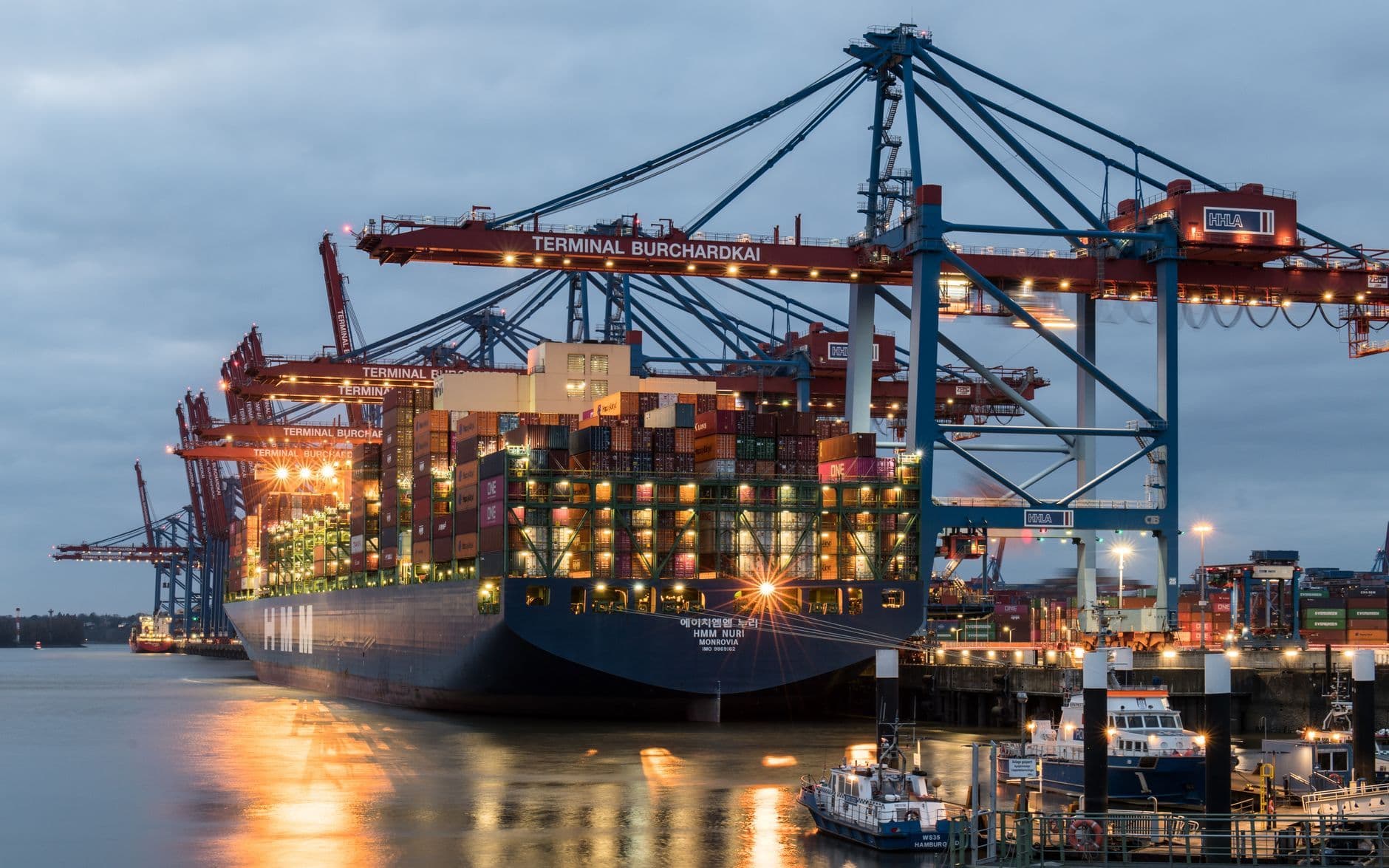
Logistics is gaining prominence as Vietnam aims to solidify its position within regional and global supply chains. The country's maritime infrastructure has seen substantial development, now comprising 320 port terminals with a total berth length of 102 kilometres. In 2025, cargo throughput reached 1.17 billion tonnes. Vietnam's national fleet, with 1,434 vessels and a combined deadweight tonnage (DWT) of about 9.4 million tonnes, ranks tenth globally in cargo transport capacity.
Key port facilities like Cát Lái in Ho Chi Minh City and the Cái Mép–Thị Vải complex have been instrumental. Cát Lái stands as the country's largest container port, while Cái Mép–Thị Vải is one of the few ports in Southeast Asia capable of accommodating ultra-large container vessels, offering direct shipping routes to Europe and North America. Experts view these assets as a solid foundation for building a modern logistics ecosystem to support trade, manufacturing, and new marine industries.
In response, coastal provinces are embedding logistics into their core development strategies. Khánh Hòa Province is advancing plans for a modern, green, and smart logistics network centered on Vân Phong, Cam Ranh, and its major transport gateways. The province intends to use its seaport system, Cam Ranh International Airport, and connections to the Central Highlands to become a logistics hub for central Vietnam.
Huỳnh Tấn Hải, deputy director of the provincial Department of Industry and Trade, stated that the logistics plan would help realize the province's marine economic goals, enhance competitiveness, and generate new growth. The strategy, he said, is focused on creating a smart and sustainable logistics ecosystem aligned with digital transformation and deeper international economic integration.
Further south, Ho Chi Minh City is pursuing the US$5.45 billion Cần Giờ International Transhipment Port. The project is designed to handle vessels up to 250,000 DWT and process approximately 16.9 million TEU annually, positioning it to become one of the region's largest transhipment hubs upon completion.
According to Lê Văn Danh, deputy director of the city's Department of Industry and Trade, authorities are promoting the Cái Mép–Thị Vải–Cần Giờ port cluster under a digital mega-port model to boost efficiency and competitiveness. For the city, logistics is evolving from a support service into a strategic industry reinforcing its status as an international trade hub.
This logistics expansion is being complemented by plans to establish coastal free trade zones (FTZs). The cities of Hải Phòng and Đà Nẵng are pioneering FTZ models linked to seaports and logistics services. Ho Chi Minh City and Khánh Hòa are also exploring similar initiatives connected to their Cần Giờ and Vân Phong development plans.
Economists suggest these zones could elevate ports from simple cargo-handling sites to integrated hubs for logistics, manufacturing, and services, attracting global investment and higher-value economic activity.
Nguyễn Đình Hòa, an expert at the HCM City Institute for Economic and Management Research, noted that this trend reflects a strategic shift from fragmented local projects toward integrated regional connectivity. He cited the evolution of the southern port system—from the historic Sài Gòn Port to Cát Lái and the Cái Mép–Thị Vải deep-water complex—as proof of more coordinated regional planning. Hòa believes the Cần Giờ port could become a milestone, enabling Vietnam to compete with established hubs like Singapore and Malaysia's Tanjung Pelepas.
However, analysts caution that infrastructure investment alone is insufficient. A review by the Ministry of Agriculture and Environment found that current marine spatial planning regulations lack clear zoning for activities like offshore wind power, aquaculture, and maritime transport. This ambiguity can lead to conflicting interests, heighten investment risks, and cause project delays.
Vũ Mạnh Hùng, director general of the Department of Sectoral Economics under the Party Central Committee’s Policy and Strategy Commission, said future development hinges on a more integrated approach to marine governance, stronger legal frameworks, and improved coordination between ports, logistics centers, industrial zones, and coastal cities. The primary challenge now is to translate ambitious blueprints into a cohesive logistics ecosystem that effectively connects ports, industries, and markets.
Top 5 Vietnam business stories in your inbox every morning. Free, no spam.