infrastructure
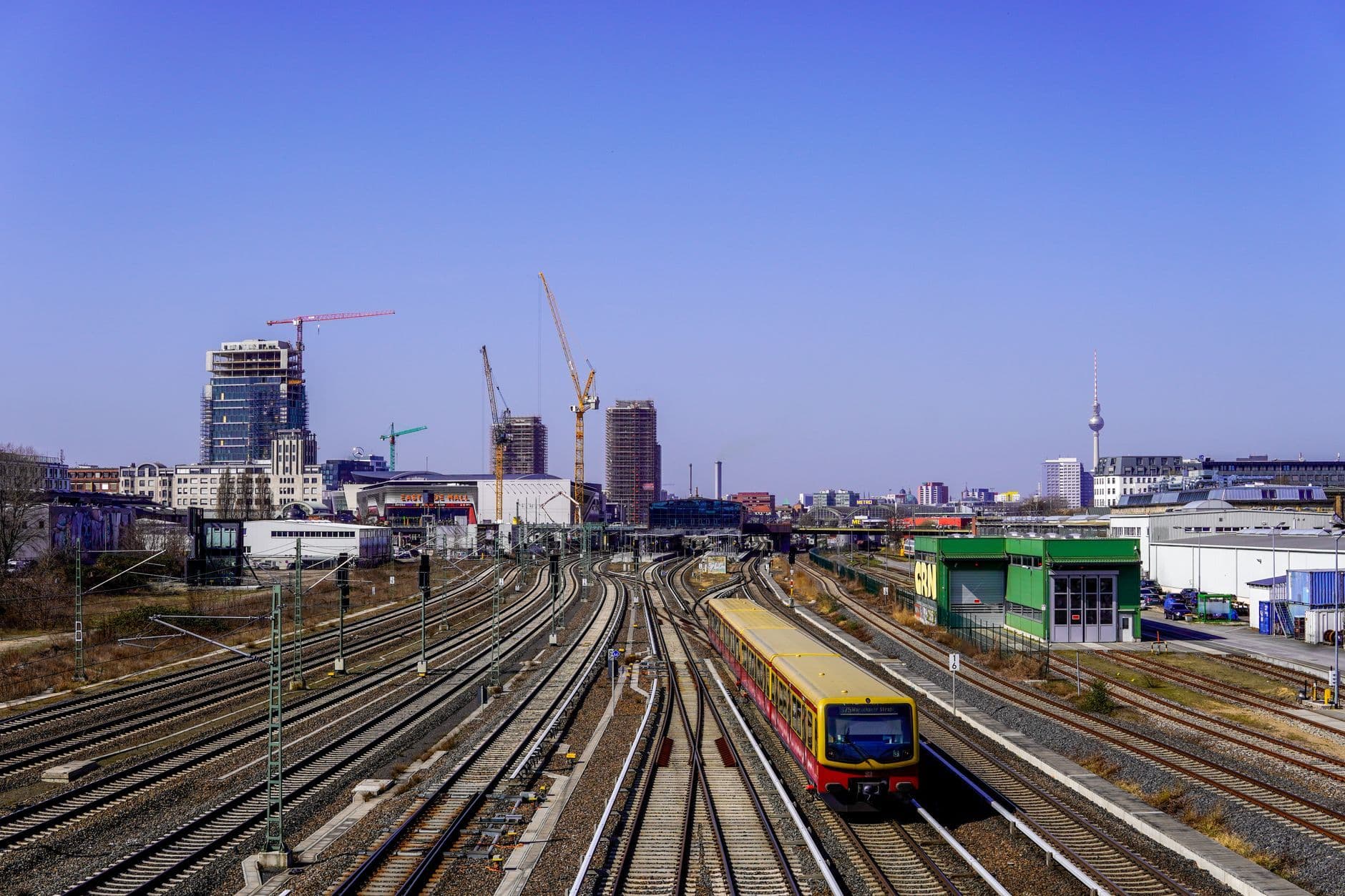
HANOI – Vietnam’s capital began construction on five new urban railway lines on June 22, a historic simultaneous launch for the country, initiating a project with a preliminary investment of over VND1,300 trillion (nearly $50 billion). The groundbreaking ceremony, held in the presence of Prime Minister Le Minh Hung, marked a key milestone in realizing a 100-year vision for Hanoi’s development. The five new lines will have a total length of approximately 303.5 km.
This ambitious undertaking is a central pillar of the Hanoi Capital Master Plan, which was officially approved by the Hanoi People’s Committee on May 13, 2026. The plan is built on the philosophy of “Cultural Heritage - Civilization - Modernity” and prioritizes a strategic infrastructure network of ring roads and urban railways. Under the Master Plan, the capital’s future urban railway system is projected to include 16-19 lines, with a total length exceeding 1,000 km. The city aims to have 400-450 km of this network completed by 2035.
The simultaneous commencement of five large-scale projects represents a significant strategic pivot for Hanoi. The city is moving from a model of investing in standalone, individual urban railway lines to a more holistic approach of developing an interconnected network. This network is intended to serve as the foundational framework for organizing the capital's entire urban transportation space, as outlined in the long-term Master Plan. With basic completion expected by 2030, the new lines will link crucial economic and residential centers, including Noi Bai International Airport, Hanoi Railway Station, Ngoc Hoi, Hoa Lac, Co Loa, and Ocean Park, among other dynamic development areas.
Transportation experts note that many countries use the 100-km mark as a benchmark for determining the effectiveness of an urban railway within a city's broader transport system. This threshold also represents a market scale sufficient to attract robust private sector participation in the railway industry. When the market is large enough, it motivates companies to invest in developing production capacity, researching new technology, and training a skilled workforce for the urban railway network.
By initiating a project with a total length of over 300 km, Hanoi is not only working to form a modern and convenient public transport system based on the Transit-Oriented Development (TOD) model. The project's completion is also expected to create an important milestone, affirming the “market size” of Hanoi’s urban railway network. This scale is seen as critical for attracting both domestic and foreign businesses to invest in the railway industry, both in the capital specifically and across Vietnam as a whole.
Despite the project's promise, significant questions remain about its implementation. Challenges include securing the colossal investment of nearly $50 billion and managing the heavy debt burden that could result from mobilizing the necessary capital. Further scrutiny will be placed on construction progress and quality, as well as on finding effective solutions for the multifaceted impacts on the residential areas these railway lines will pass through. The five projects are set to fundamentally change Hanoi’s public transportation landscape and will be closely watched for their effect on urban real estate development under the TOD model, which has emerged as a revolutionary approach to urban restructuring in the 21st century.
Top 5 Vietnam business stories in your inbox every morning. Free, no spam.