macro-economy
Vietnam and Cambodia have agreed to bolster cooperation in agriculture, forestry, and fisheries, with the aim of increasing future trade turnover. The consensus was reached during a working session in Hanoi on June 10 between Vietnam's Minister of Agriculture and Environment, Trinh Viet Hung, and a delegation led by Cambodian Minister of Agriculture, Forestry, and Fisheries, Dith Tina.
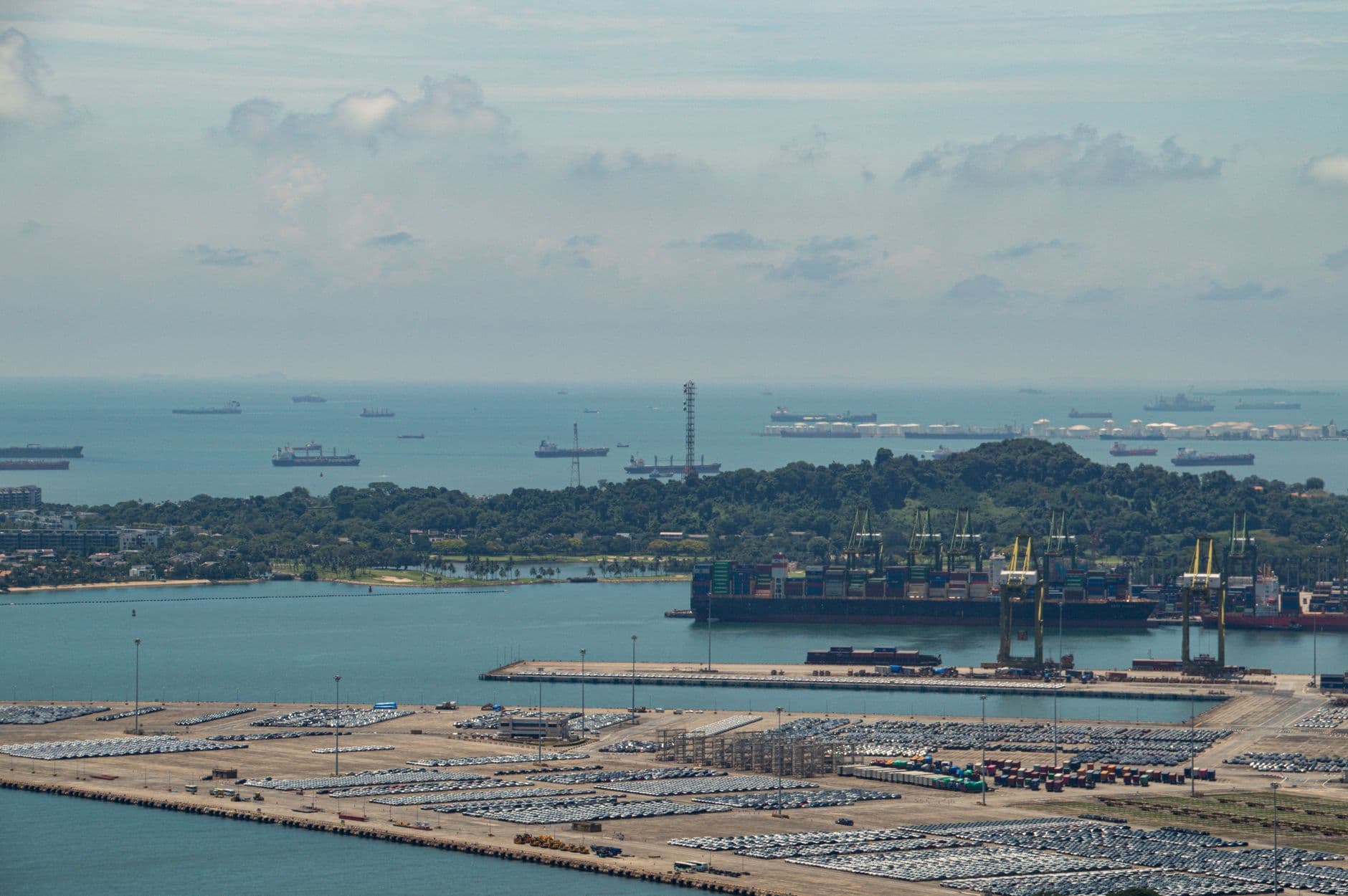
Bilateral agricultural trade reached $2.9 billion in 2025, representing nearly 23% of the total trade value between the two nations. This marks a significant expansion from previous years, with agricultural trade volume surging more than threefold from $749 million in 2020 to $2.7 billion in 2024.
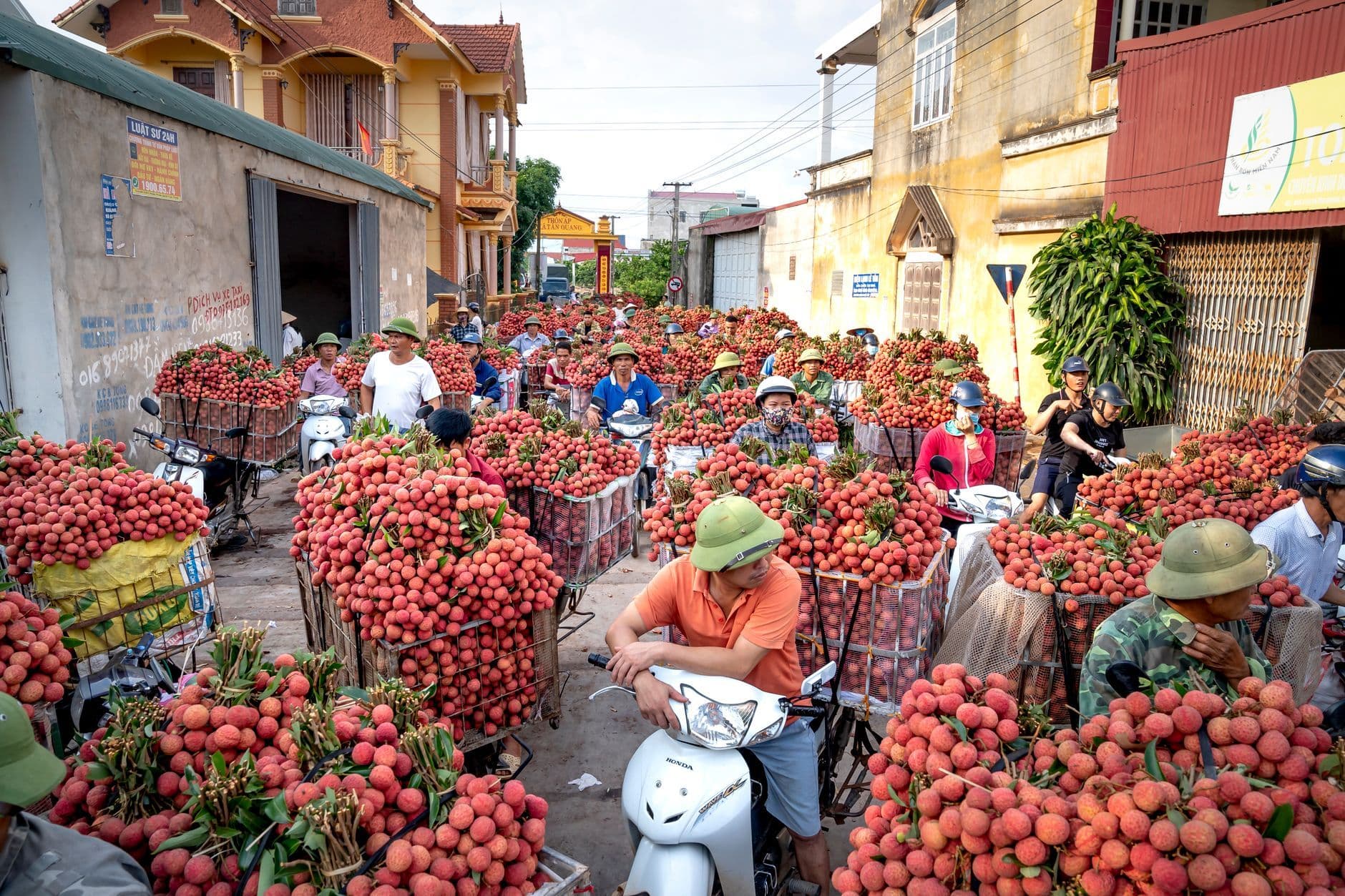
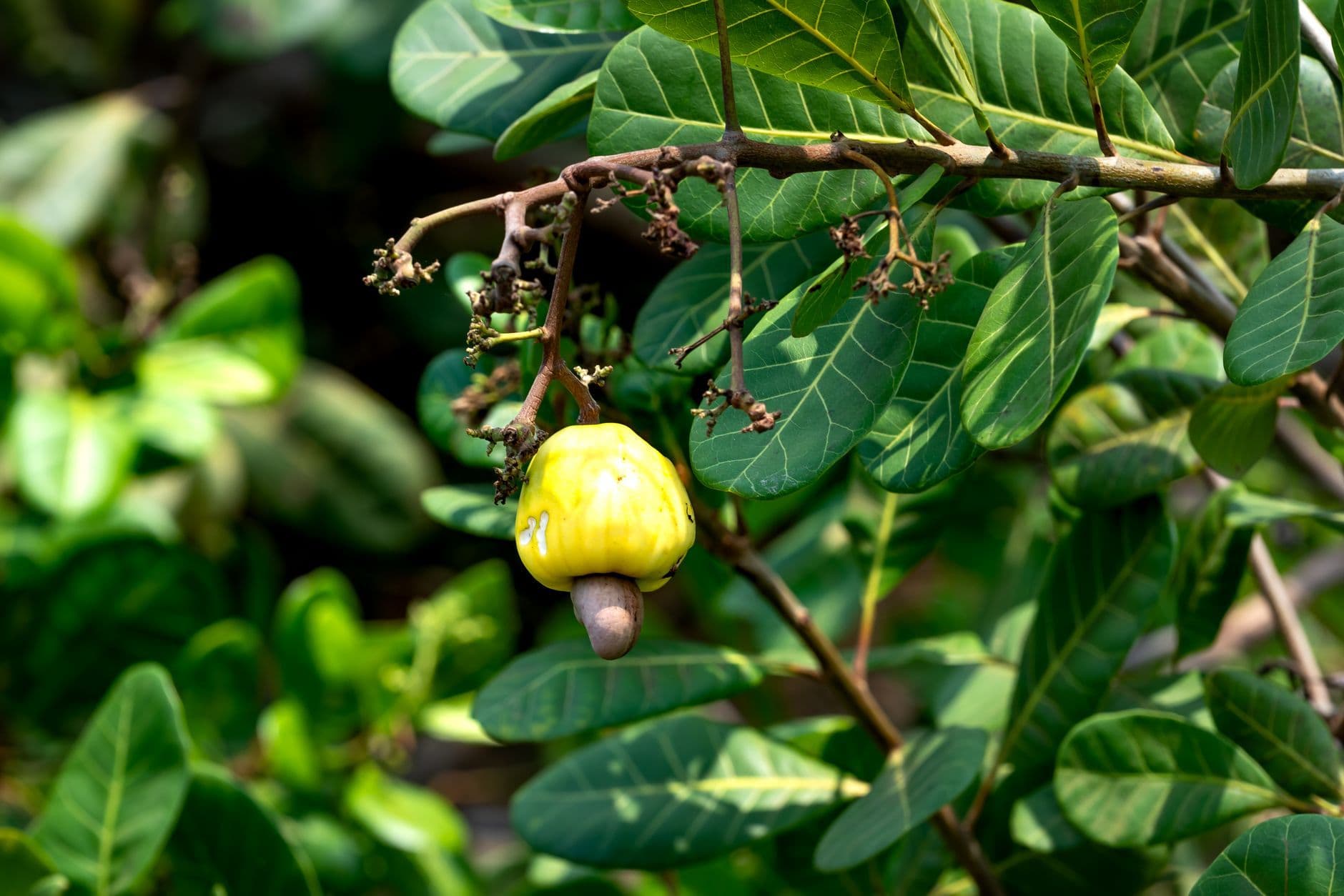
A notable trade imbalance has emerged, reflecting a new trend in Vietnam’s industrial development. While Vietnam’s agricultural exports to Cambodia—including rice, coffee, and fruits—grew more than 6.5 times between 2020 and 2025, they constitute only 3% of the bilateral agricultural trade. Conversely, Vietnam’s imports of key Cambodian commodities like rubber, cashew nuts, soybeans, and corn increased 3.4-fold over the same period and now account for 97% of the total. This shift from a relatively balanced trade relationship in 2015, where Vietnam held a slight surplus, is attributed to the expansion of Vietnam's deep-processing industries, which drives demand for raw materials from neighboring countries for production and re-export.
To achieve their goal of increasing trade, the two ministers agreed to conduct a comprehensive review of existing agreements and cooperation programs. Scheduled for the third quarter of 2026, the review will focus on concretizing commitments, resolving implementation bottlenecks, and identifying new sectors with high growth potential.
The ministers also highlighted the need for strategic production plans for key commodities such as rubber and rice to improve product quality, ensure stable supply, and maintain reasonable prices for both producers and consumers. Quality control and food safety were identified as core pillars for future cooperation. Both sides committed to strengthening coordination on inspection and monitoring and developing programs to ensure products meet international standards, thereby facilitating broader export market access.
Top 5 Vietnam business stories in your inbox every morning. Free, no spam.