macro-economy

As Vietnam and the Philippines prepare to commemorate the 50th anniversary of their diplomatic relations in 2026, the two dynamic ASEAN economies are intensifying efforts to elevate their strategic partnership and unlock significant economic potential. Bilateral trade is on a sharp upward trajectory, with both nations aiming to surpass the $10 billion mark soon, building on a foundation of complementary strengths and exploring new frontiers in sectors ranging from the blue economy to artificial intelligence. This deepening relationship is underscored by high-level political engagement, including an anticipated state visit to Manila by Party General Secretary and State President To Lam, which is expected to further solidify a new era of cooperation.
The diplomatic relationship, established in 1976, has been consistently nurtured by the leaders of both countries through regular high-level visits and meetings over the past five decades. A pivotal moment occurred in 2015 with the signing of a Strategic Partnership Agreement, a clear signal of their mutual commitment to strengthening bilateral ties. It is now anticipated that this will be elevated to an Enhanced Strategic Partnership during President To Lam's state visit to the Philippines from May 31 to June 1.
To provide a robust framework for this advancing relationship, the two countries have established a comprehensive network of bilateral agreements. These accords cover a wide spectrum of activities, including trade and investment, air services, agriculture, tourism, defense, and education. Further agreements address the avoidance of double taxation, sports, technical and scientific cooperation, maritime and fisheries cooperation, and collaboration between their respective naval and coast guard forces. This legal architecture ensures that government-to-government engagements are structured and purposeful, aimed squarely at fostering continued growth in cooperation. Agreements on disaster response and political cooperation also feature prominently, reflecting the multifaceted nature of their partnership.
The economic pillar of the relationship has shown remarkable momentum. Bilateral trade expanded significantly from $4.91 billion in 2019 to $8.33 billion in 2025, and both sides are now exerting mutual effort to reach the $10 billion target in the near future. This growth is fueled by a powerful economic complementarity that allows both nations, among the fastest-growing in the ASEAN region, to enhance their competitiveness.
A prime example of this synergy lies in the global supply chain. The Philippines' robust business process outsourcing (BPO) industry, renowned for its competent, English-proficient workforce, offers a mature platform to support Vietnamese companies as they expand globally. As more Vietnamese products are introduced to international markets, they can tap into the Philippines' BPO sector for essential customer service requirements, a collaboration that promotes mutual economic development.
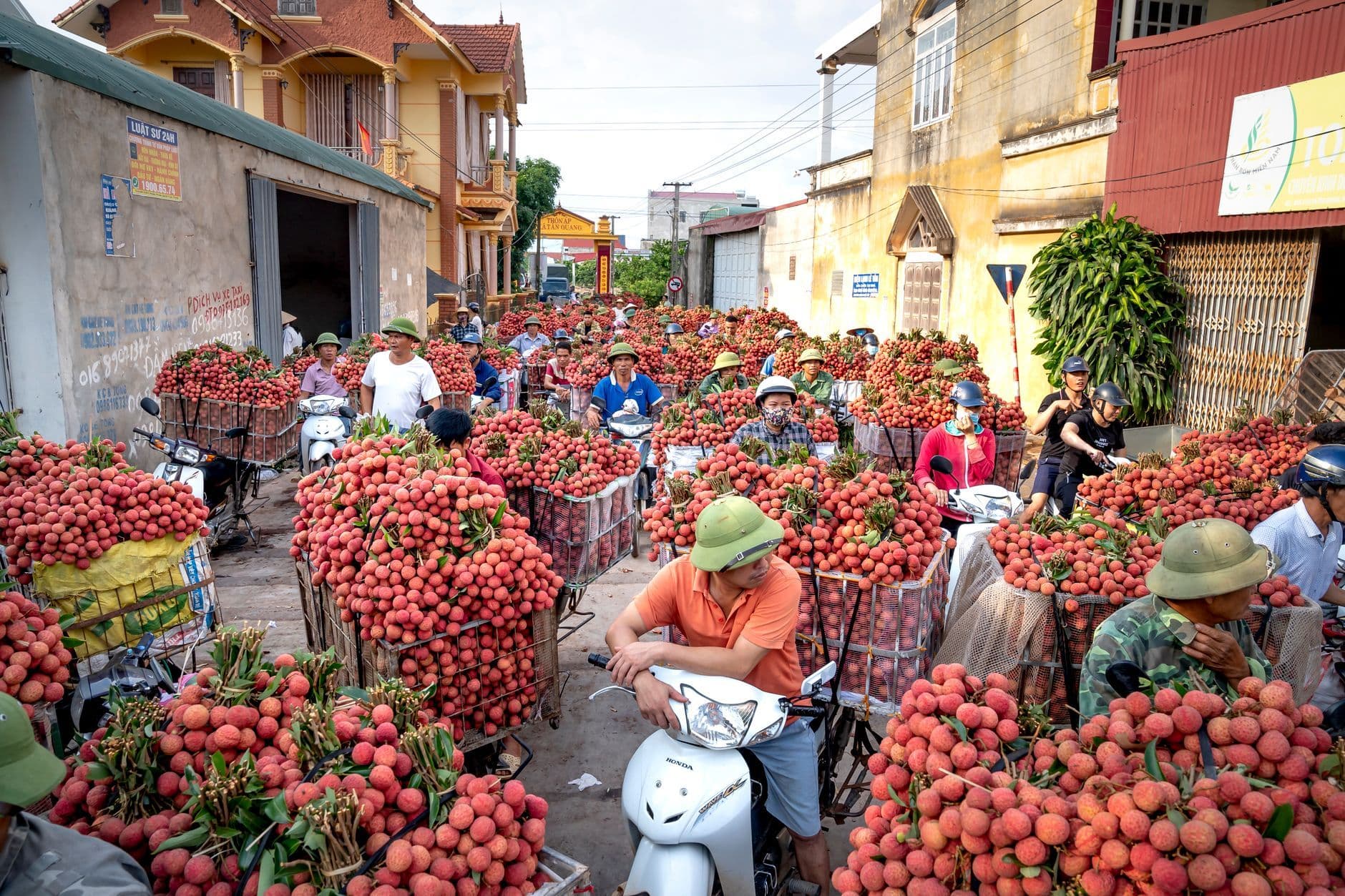
In manufacturing, this interdependence is equally clear. In 2024, Philippine exports of electrical machinery and parts to Vietnam accounted for over $500 million in trade. These components are integrated into finished products at Vietnamese manufacturing plants, which are then exported worldwide. This arrangement creates a mutually beneficial value chain that supports jobs in both countries. Conversely, Vietnam plays a critical role in the Philippines' food security, serving as its principal supplier of rice and cereals. This trade ensures a stable food supply for the Philippines while providing sustainable incomes for Vietnamese farmers.
Looking ahead, both nations are poised to explore cooperation in high-growth, non-traditional sectors. Significant potential is seen in renewable energy, AI, and the vastly untapped blue economy. These emerging areas offer a rich source of incentives for companies from both sides to collaborate, providing a powerful engine to sustain the economic growth trajectories of both countries.
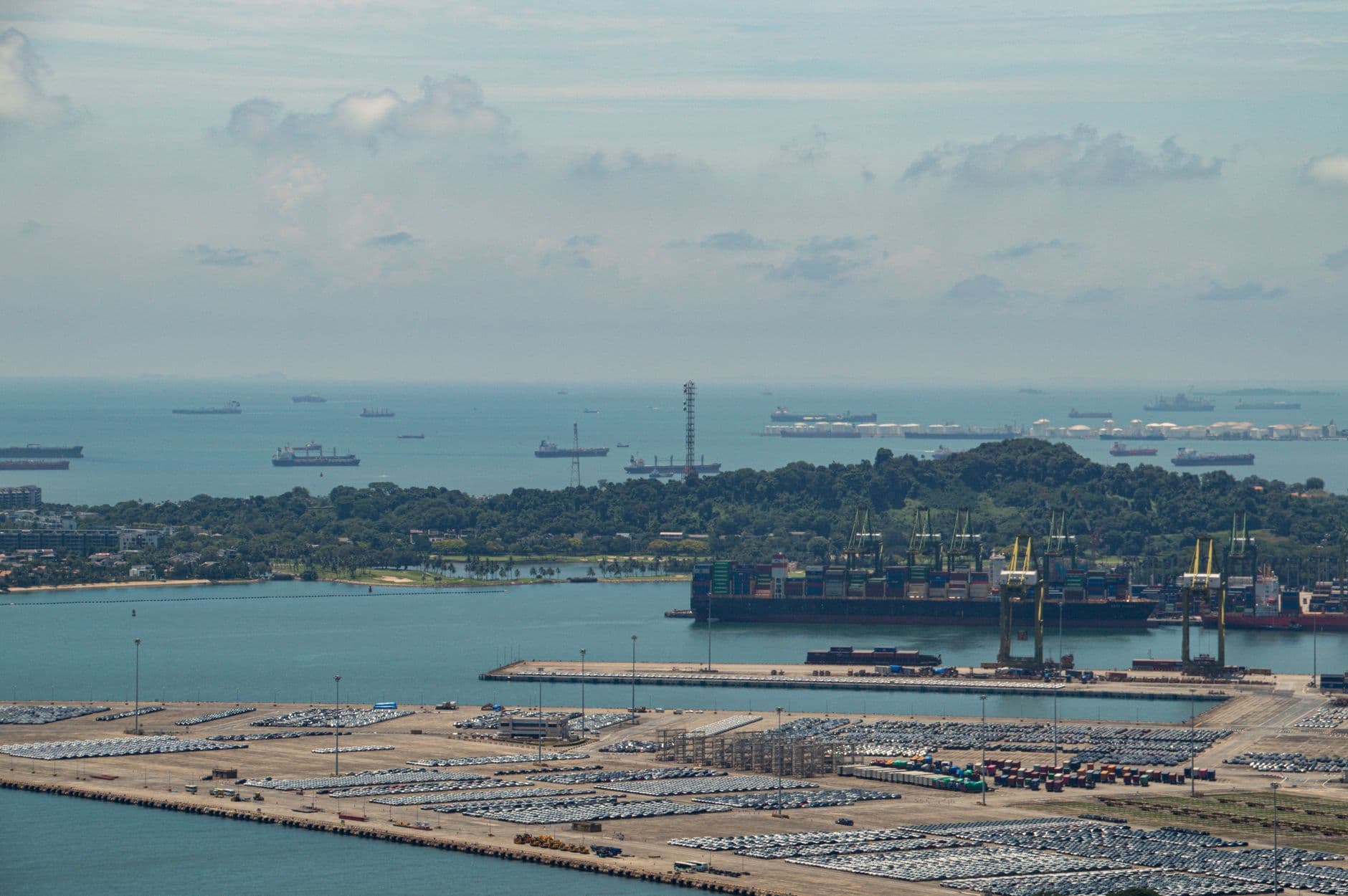
The blue economy, in particular, presents a major opportunity. It encompasses a wide range of activities, including tourism, sustainable marine resource management, and renewable energy production. With ASEAN having already adopted a foundational framework to promote the blue economy, the Philippines and Vietnam, as two maritime nations, are ideally positioned to pioneer joint activities that can drive economic expansion.
The retail sector is another area ripe for expansion. Major Philippine food giants are expected to increase their presence in the burgeoning Vietnamese market. On the Vietnamese side, the entry of electric vehicles from a prominent Vietnamese automobile brand into the Philippine market is anticipated to significantly expand the volume of bilateral trade, contributing substantially to reaching the $10 billion goal.
To translate this potential into tangible results, creating platforms for direct interaction between enterprises is crucial. The state visit to the Philippines by President To Lam will feature a business forum in Manila, bringing together companies from both nations. It is hoped that such events will be replicated regularly in both Manila and Hanoi, as consistent interaction is key for businesses to become aware of each other’s expertise and potential.
Each side is encouraged to initiate opportunities to participate in each other’s trade fairs and exhibitions to provide more opportunities to showcase their offerings. Much of the past effort to promote external trade has been directed toward partners outside the region. There is a growing recognition that it is time for Manila and Hanoi to look more closely at each other as ideal trade partners, especially given their demonstrated resilience and remarkable economic growth in recent years.
Investment flows are another critical dimension of the partnership. Vietnam's ongoing expansion of its infrastructure and modernization of public services presents opportunities for Philippine investors. With the correct incentives, Philippine companies may continue to invest in Vietnam’s road infrastructure, water distribution systems, renewable energy, and international port operations. In human resources, Filipinos continue to show interest in accepting placements within Vietnam’s educational system, contributing to the development of English proficiency.
Conversely, there are significant opportunities for Vietnamese businesses to invest in the Philippines. Promising sectors for Vietnamese capital include telecommunications and electric vehicle manufacturing, building on the success of several Philippine business conglomerates that have already invested in Vietnam.
Beyond the economic sphere, the partnership extends to multilateral diplomacy. The two countries can deepen their cooperation through mutual support for each other’s candidatures to international organizations and by adopting mechanisms to strengthen multilateral institutions. Reinforcing the importance of ASEAN centrality in the Indo-Pacific's evolving architecture and sustaining cooperation in United Nations peacekeeping operations are all areas ripe for further collaboration.
Furthermore, given their shared vulnerability to natural disasters, Vietnam and the Philippines can enhance cooperation in disaster risk reduction and management. While some exchanges occur within the ASEAN framework, bilateral initiatives can be pursued to share best practices and resources. The scientific management of the blue economy, for instance, including the protection of mangrove forests, can lessen the impact of high waves on coastal communities, offering a practical avenue for mutual learning and protection.
Top 5 Vietnam business stories in your inbox every morning. Free, no spam.