policy
A global push to transition toward a more secure and sustainable energy future is presenting Vietnam with a critical industrial turning point, as the rules of economic competitiveness are fundamentally reshaped.
During a special address at London Climate Action Week on June 23, 2026, the UN Secretary-General emphasized a just transition to cleaner energy systems that foster economic growth. For Vietnam, an export-oriented economy deeply integrated into new-generation free trade agreements like the EVFTA, CPTPP, and RCEP, this global shift is more than an environmental goal; it is a prerequisite for sustained development. Access to international markets, investment, and value chains is increasingly contingent on a country’s capacity to lower emissions and build low-carbon industries. The event took place across London from June 20 to June 28.
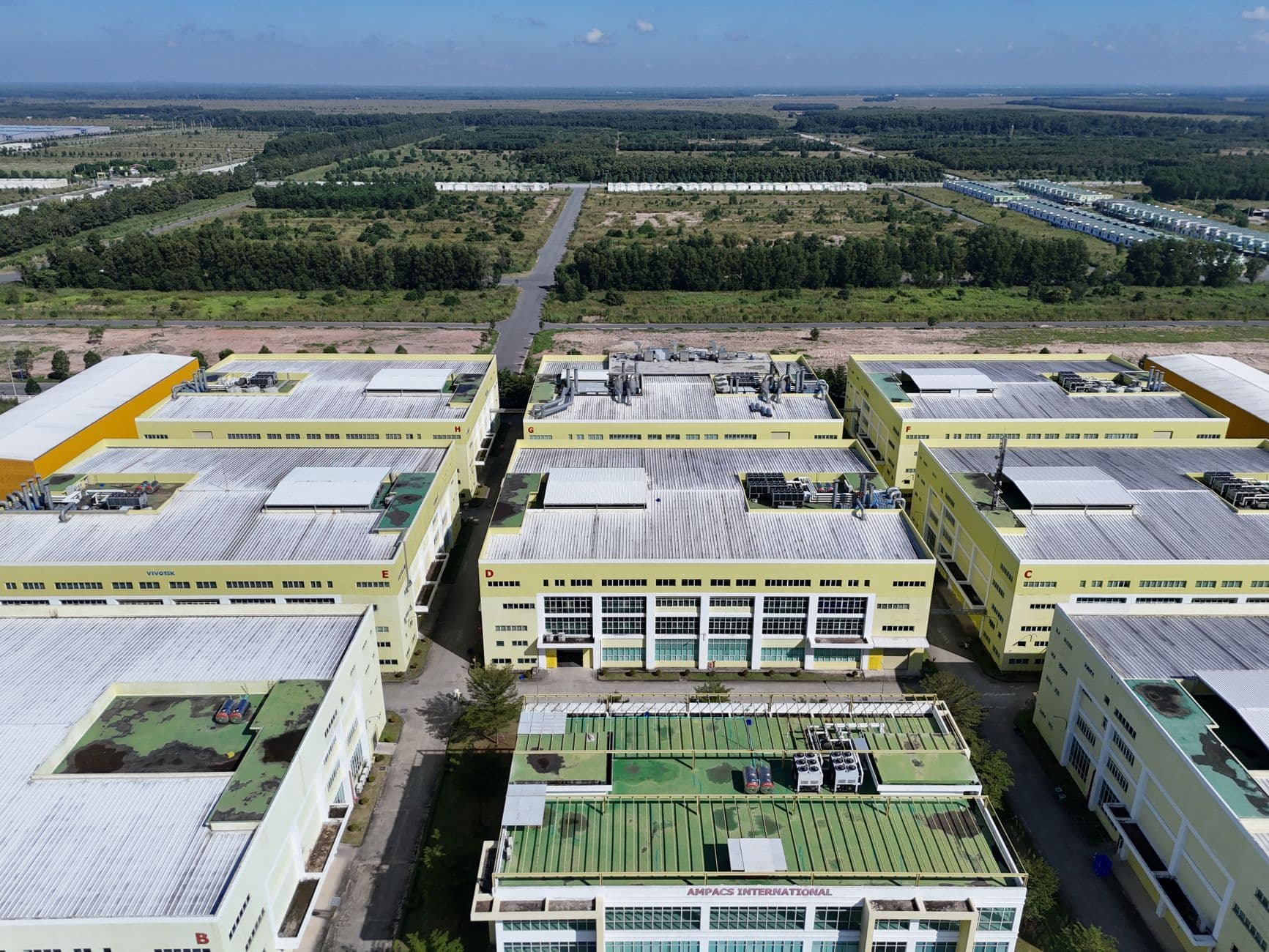
Vietnam's industrial sector is the decisive arena where this transition will be determined. The sector accounts for approximately 50 per cent of the nation’s final energy consumption and around 87 per cent of its final coal consumption. To maintain economic momentum while honoring climate commitments, Vietnam must transform this engine of its success into a driver of sustainable development. The technology, investment, and business decisions made today will dictate the country's ability to grow while reducing emissions and bolstering energy security.
The United Nations Industrial Development Organization (UNIDO), the UN’s specialized agency for inclusive and sustainable industrial development, is providing global expertise to guide Vietnam through this transition. Working with government, industry, and financial partners, UNIDO's Country Programme supports Vietnam in scaling up energy efficiency, advancing industrial decarbonization, and promoting circular economy solutions. The goal is to facilitate access to innovative technologies and strengthen industrial competitiveness in a dynamic global market.
A primary focus is industrial energy efficiency, which remains the fastest and most cost-effective method for reducing emissions. UNIDO assists both large corporations and small and medium-sized enterprises in implementing energy management systems compliant with ISO 50001 standards. This approach targets high-impact systems—including steam, compressed air, cooling, refrigeration, pumping, and motor-driven systems—to deliver tangible benefits like lower operating costs and enhanced productivity.
Beyond individual firms, UNIDO promotes integrated solutions such as Energy Districts, which optimize energy systems across industrial parks and cities. By enabling energy recovery, balancing supply and demand, and integrating renewables, these models unlock deeper efficiency gains and support more resilient industrial growth.
However, energy efficiency alone is not enough. Achieving net-zero emissions requires deep decarbonization, especially in hard-to-abate sectors like steel, cement, chemicals, and construction materials, where process emissions are significant. These industries, vital for economic growth, remain heavily reliant on fossil fuels.
UNIDO offers technical expertise to help these sectors deploy solutions such as waste heat recovery, low-carbon materials like LC3, renewable energy integration, digitalization, and assessments of Carbon Capture, Utilization and Storage (CCUS) potential. To address a critical barrier—limited access to affordable finance—UNIDO promotes blended finance approaches to de-risk early investments and mobilize private capital for a pipeline of bankable decarbonization projects.
Equally crucial is the shift to a circular economy, where industrial competitiveness is tied to resource efficiency. Through its Eco-Industrial Park initiative, UNIDO helps industries reduce waste, improve resource productivity, reuse by-products, and foster industrial symbiosis. This strategy turns environmental challenges into economic opportunities by transforming waste into value.
This transformation cannot be undertaken in isolation. UNIDO connects Vietnam to key international platforms like the Industrial Deep Decarbonization Initiative (IDDI) and the Global Programme on Green Hydrogen in Industry. These initiatives provide access to technology transfer, capacity-building, international expertise, and climate finance, which are critical enablers for accelerating the country’s transition.
Vietnam stands at an industrial crossroads, and the choices made now will shape its economic competitiveness and energy security for decades. By integrating energy efficiency, industrial decarbonization, and circular economy principles, Vietnam has the opportunity to convert its most carbon-intensive sectors into engines of sustainable growth.
The country's next industrial revolution must be green, circular, and inclusive. Through its Country Programme and global partnerships, UNIDO is committed to supporting this vision, ensuring Vietnam's development journey is both prosperous and sustainable.
(*) Le Thi Thanh Thao, United Nations Industrial Development Organization (UNIDO) and UNIDO Vietnam Program Coordinators: Nguyen Tram Anh, Nguyen Thai Binh, Hoang Kim Cuc, Nguyen Thi Ngoc Lan, Nguyen Thi Xuan Thuy, and Rasha Abdrabu.
Top 5 Vietnam business stories in your inbox every morning. Free, no spam.