
policy
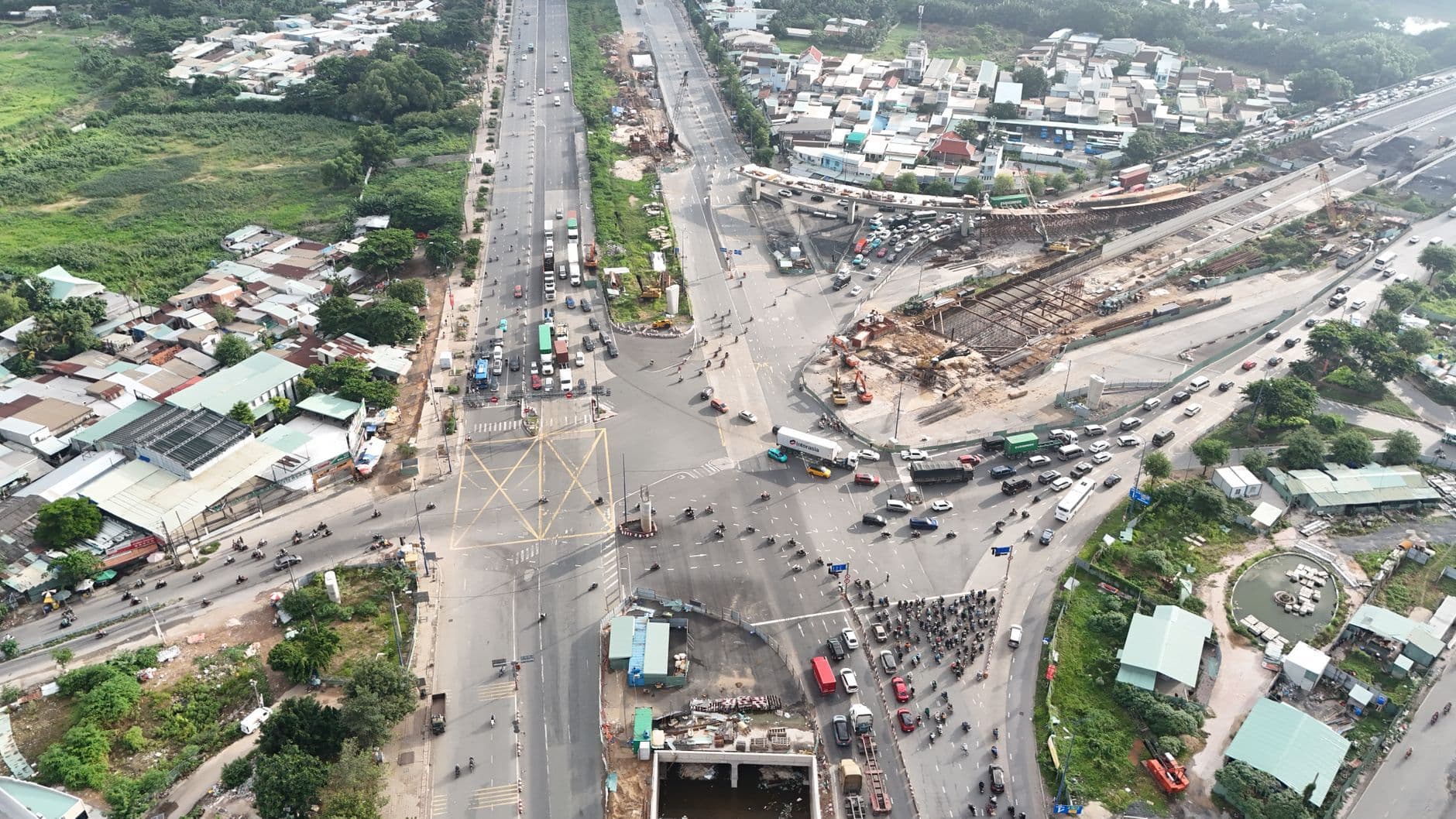
Prime Minister Le Minh Hung has issued a directive aimed at strengthening the management and accelerating the disbursement of official development assistance (ODA) and foreign concessional loans, with a clear focus on nationally significant and key infrastructure projects.
Directive No.27/CT-TTg, dated June 25, introduces measures to improve the efficiency of foreign capital utilisation and speed up disbursement for 2026 and beyond. The move comes in response to persistently low disbursement rates for public investment projects financed by foreign sources.
According to Ministry of Finance (MoF) data, as of June 15, the nationwide disbursement rate for the 2026 public investment plan funded by foreign capital stood at just 9.99 per cent of the allocated target, calculated under the revenue-and-expenditure recording mechanism.
The rate was 9.37 per cent for local authorities and 10.79 per cent for central ministries and agencies, both figures significantly below the disbursement rate for domestically funded public investment. For on-lending programmes managed by local authorities, the rate was even lower at 8.98 per cent of the plan. Critically, several ministries, central agencies, and local authorities reported a zero per cent disbursement rate for the period.
To support the government's objective of achieving double-digit economic growth, the directive mandates that ministries, central agencies, and local authorities concentrate resources on the highest-priority projects. These are defined as nationally significant projects, key infrastructure developments, and initiatives with strong spillover effects capable of generating long-term growth momentum and promoting balanced regional development.
The directive also calls for a comprehensive review of medium-term public investment requirements funded by foreign sources from the central budget for the 2026-2030 period. Ministries and agencies have been instructed not to propose or seek approval for new borrowing, programmes, or projects deemed unnecessary, inefficient, lacking clear justification, or failing to demonstrate sufficient feasibility. The Prime Minister stressed the need to enhance the efficiency of ODA and concessional loan utilisation while ensuring both investment effectiveness and project viability.
Under the new directive, projects will be categorised based on their disbursement performance. Priority for funding will be given to projects with strong implementation progress, those designated as priorities requiring early completion, projects nearing completion, and those approaching the final disbursement deadline under their respective loan agreements.
Furthermore, annual investment plans for foreign-funded projects must not allocate capital to initiatives that are not ready for disbursement. New projects will not be approved for agencies or units that have permitted prolonged disbursement delays, losses, waste, or misconduct without implementing timely corrective actions as required by regulations. The directive also provides for the prompt reallocation of capital from slow-disbursing projects to those demonstrating stronger implementation performance and requiring additional funding.
Improvements in investment planning and project preparation are also mandated. Relevant authorities are instructed to complete investment and construction procedures without delay, ensure adequate supplies of construction materials, and allocate sufficient counterpart funding to facilitate payments in line with approved budgets. These measures are intended to enable projects to meet their implementation and disbursement schedules.
Alongside efforts to accelerate fund allocation, the Prime Minister has called for more robust inspection and supervision throughout the entire project cycle. This includes project selection, investment preparation, approval of investment policies, capital allocation, project implementation, and the management, utilisation, and disbursement of ODA and concessional loans.
The directive emphasises that foreign-funded capital must be used strictly for its intended purposes, allocated to the correct beneficiaries, and managed in accordance with regulations, while ensuring efficiency, cost-effectiveness, transparency, and accountability.
Authorities are instructed to promptly detect, prevent, and deal strictly with corruption, misconduct, vested-interest practices, bid-rigging, inflated investment estimates, inflated contract values, losses, waste, and any other violations that arise during the proposal, approval, implementation, or disbursement of ODA- and concessional loan-funded projects.
Finally, the Prime Minister instructed ministries, sectors, and local authorities to submit periodic reports on foreign-funded disbursement as per regulations. They are required to prepare detailed monthly disbursement plans for each project covering the remaining months of 2026. These plans must clearly identify obstacles, analyse their root causes, and propose practical solutions to ensure the full disbursement of the 2026 foreign-funded public investment plan. All reports must be submitted to the MoF for consolidation by July 10.
The MoF has been instructed to proactively and decisively engage with donors to simplify and shorten procedures related to ODA and preferential loan disbursement. It must also promptly address any issues raised by ministries, sectors, and localities that fall within its scope of responsibility to ensure implementation and disbursement progress as committed to donors.
Top 5 Vietnam business stories in your inbox every morning. Free, no spam.