macro-economy
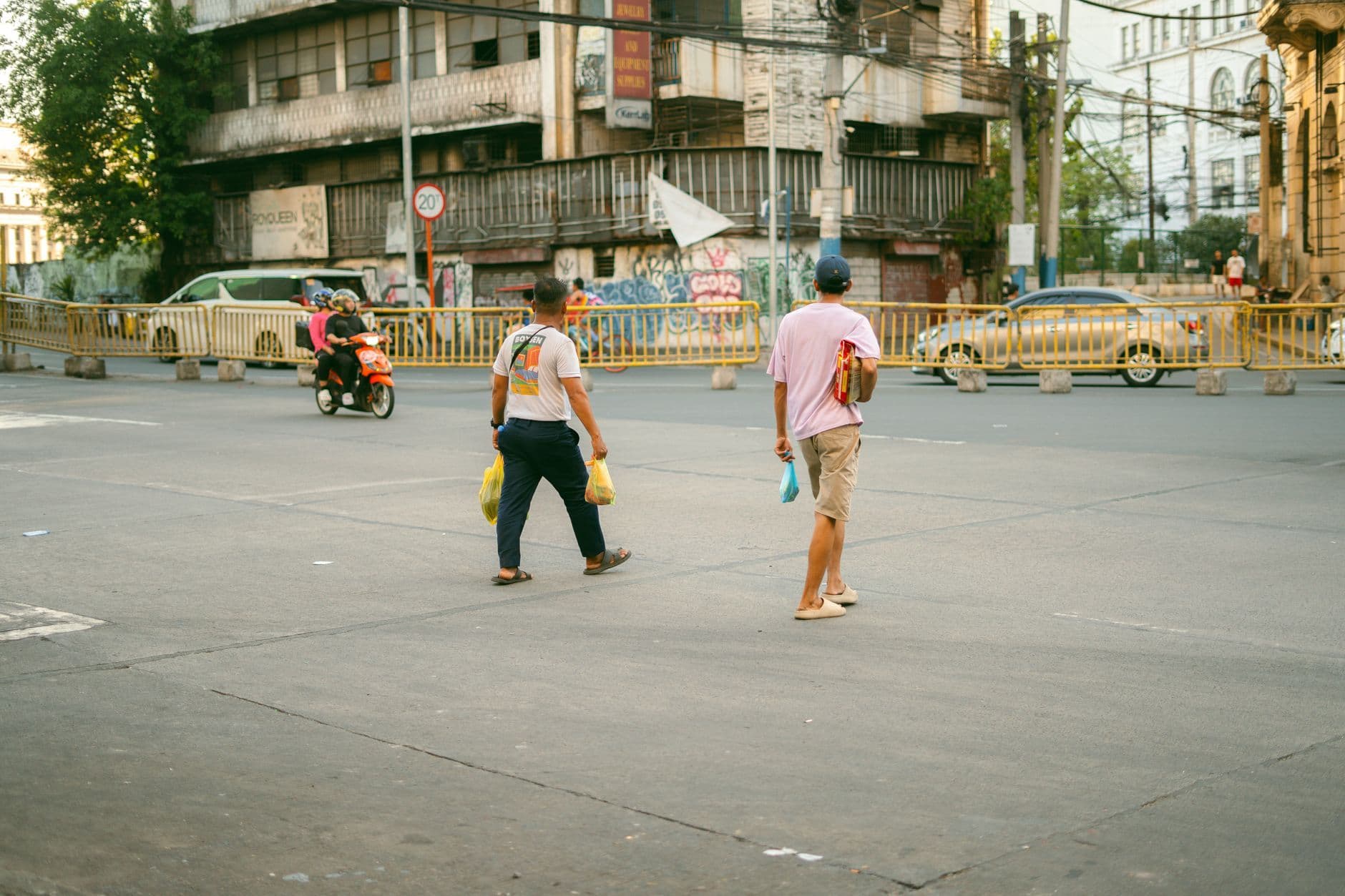
The Philippine government has approved a record 12% increase in the daily minimum wage for Metro Manila, a move set to benefit over 1.1 million workers. The 85-peso (US$1.4) hike, described by the Department of Labor and Employment as the "largest single wage adjustment ever granted in the capital region," will be implemented in two tranches, according to a Bloomberg report.
The first increase of 60 pesos will take effect on July 19, with an additional 25 pesos to be added on January 20, 2027. Upon full implementation, the daily minimum wage for non-agriculture workers will rise to 780 pesos (US$12.73). Workers in the agricultural sector, along with those in service and retail establishments with 15 or fewer employees and manufacturing firms with under 10 workers, will receive a 13% increase, bringing their daily minimum to 743 pesos.
The wage adjustment comes as consumers grapple with rising prices for fuel and basic commodities, which have climbed since March amid fallout from the U.S. war with Iran, eroding household purchasing power. Inflation in the Philippines slowed to 6.8% in May from a three-year peak of 7.2% in April, but it remains significantly above the central bank's 4% upper target. Metro Manila, an area comprising 16 cities, maintains the highest legislated minimum wage in the country.
The new wage, however, still falls short of the 1,289-peso daily living wage for a family of five in the capital, as estimated by the think tank IBON Foundation. John Paolo Rivera, a senior research fellow at the Philippine Institute for Development Studies, told Nikkei Asia the hike would offer "meaningful relief" by "helping augment purchasing power." However, he cautioned it could raise costs for micro, small and medium-sized enterprises, which may raise prices or slow hiring. "The overall impact will depend on how firms adjust and whether productivity gains accompany higher wages," Rivera said. In contrast, the Trade Union Congress of the Philippines, quoted by Bloomberg, criticized the two-stage implementation, calling the increase "grossly inadequate in the face of the collapse in workers’ purchasing power."
Top 5 Vietnam business stories in your inbox every morning. Free, no spam.