tech
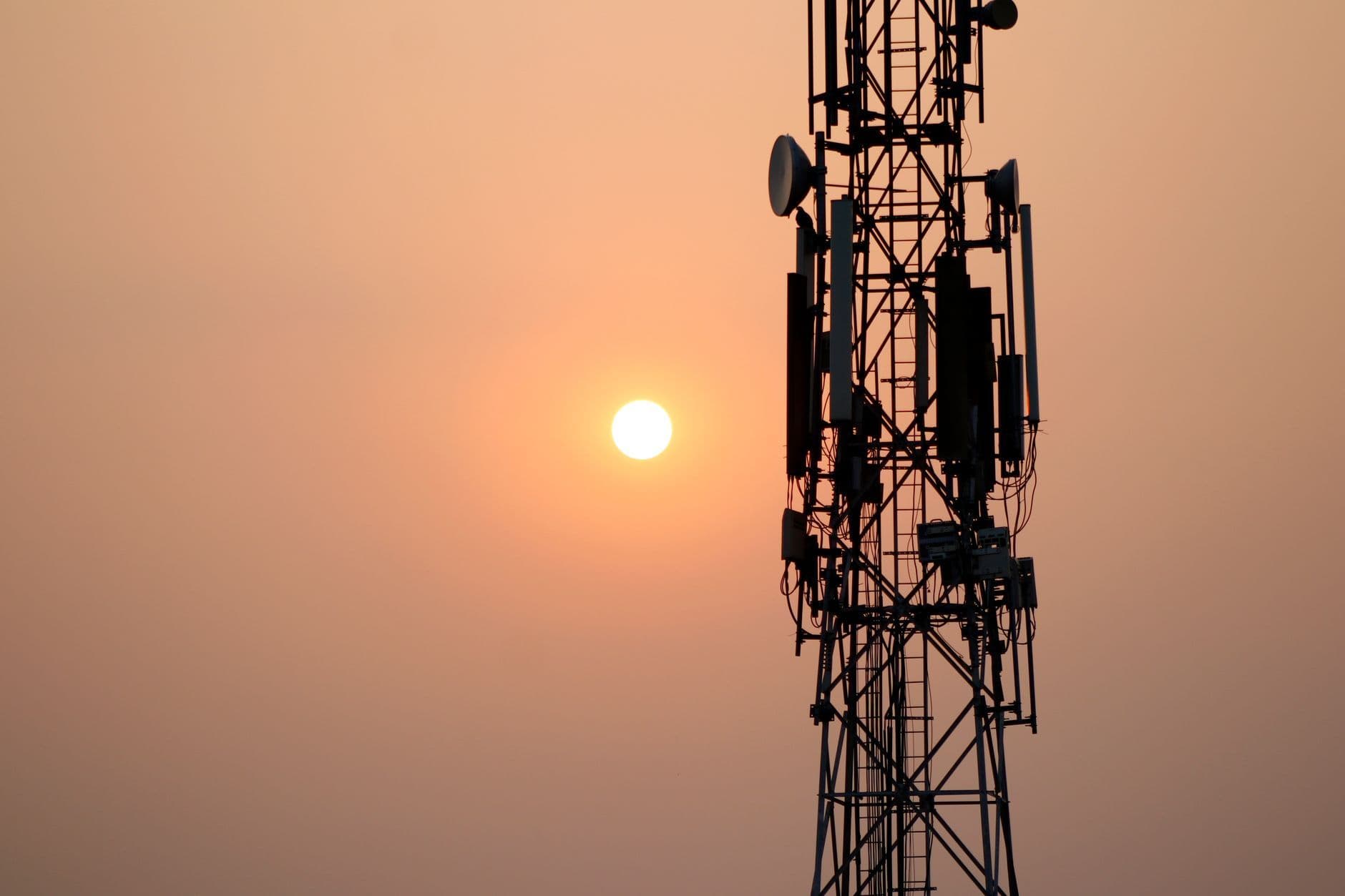
Nokia is undertaking a significant strategic evolution in Vietnam, pivoting from its legacy in mobile devices to a core focus on building the intelligent network infrastructure required for the artificial intelligence era. The company's investment and technology are now centered on supporting the heavy-load networks demanded by AI, a move it sees as crucial for the country's national digital transformation goals.
"We believe significant, uninterrupted infrastructure investment is required to support the heavy-load networks that AI brings to society. Our technologies are engineered to support Vietnam’s national endeavor from now to 2030," said Mr. Hiro Miura, General Director of Nokia Vietnam.
This new vision redefines Nokia’s operations in the country, shifting its brand identity from ‘connecting people’ to ‘connecting intelligence.’ The focus now lies on its core infrastructure portfolio—optical networks, IP networks, and fixed networks—which have become the main pillars of its business alongside mobile networks and 5G deployment.
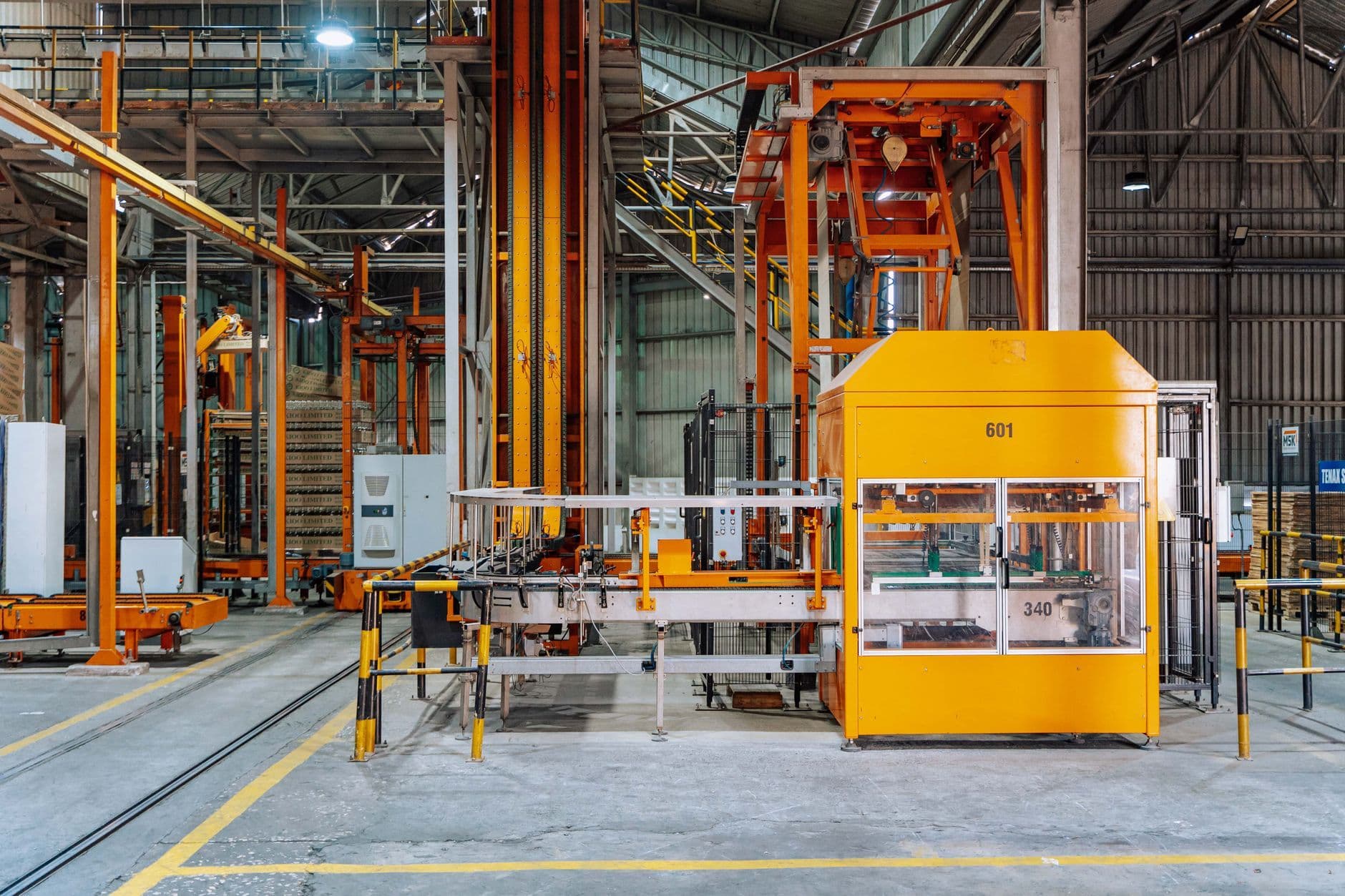
A cornerstone of Nokia's strategy is its ‘Made-in-Vietnam’ manufacturing blueprint. The recent 5G rollout with Viettel across 22 provinces utilizes equipment produced locally, a development that aligns with Nokia's decision to establish a high-tech manufacturing facility in Bac Giang Province. The network products manufactured at this site include baseband units, remote radio heads, and fiber network equipment.
Today, all 5G equipment delivered to Vietnamese operators is made locally. This decision was driven by a strategic choice to enhance supply chain diversity and resilience. Looking ahead, Nokia has a clear roadmap for its Vietnamese manufacturing base to become an export hub, with plans for 5G equipment serving the wider Asian market to be shipped from the Bac Giang facility.
Nokia is actively working to widen access to AI processing, particularly for small and medium-sized enterprises (SMEs) in fragmented industrial zones, through its Edge Cloud vision. This effort is driven by the AI-RAN Alliance, an ecosystem that integrates artificial intelligence into cellular networks to automatically optimize data speeds, frequencies, and energy efficiency at the base stations.
Viettel is an active collaborator within this alliance, and Nokia, as a leading member, supports these initiatives. Furthermore, Nokia has formed a deep-tech partnership with NVIDIA on AI RAN innovation, investing to ensure its radio software stack runs natively on NVIDIA’s accelerated computing platform.
The AI RAN architecture consists of three core components. The first, 'AI for RAN', is a mature technology available today; Nokia’s Self-Optimized Network (SON) solution already uses AI to maximize spectral efficiency and automate network design for operators such as Viettel, VNPT, and Mobifone. The other two components, 'AI on RAN' and 'AI and RAN', represent a deeper integration with NVIDIA. Nokia is currently advancing through this phase and is on schedule to bring these capabilities to market in the near future.
Despite a tightening of global capital markets, Nokia remains optimistic about high-capital infrastructure investment in Vietnam. The company believes the AI cycle is still in its early phase and that infrastructure spending will grow substantially. This extends beyond the radio network to heavy infrastructure such as subsea cables and cross-border connectivity, which major operators like Viettel, VNPT, and Mobifone are already building.
The Vietnamese government's decisive steps to drive national digital transformation toward 2030 create tangible demand for robust infrastructure, positioning Nokia to support these investments.
Addressing skepticism that 5G has yet to deliver a clear return on investment for operators, Nokia points to the technology's early stage in Vietnam, where 5G Standalone (5G SA) has not yet been commercially launched. In more mature markets like Singapore, operators have successfully monetized advanced 5G SA slicing features for both consumer and enterprise businesses. Realizing this value in Vietnam depends on migrating to 5G SA, which unlocks capabilities like network slicing. Nokia is actively working with Vietnamese operators to implement proven monetization frameworks for the B2B segment as they move in this direction.
Security is a central pillar of Nokia's strategy, underscored by a recent Memorandum of Understanding with VNPT that emphasizes a ‘Security by Design’ framework. Nokia deploys a specialized telecom security portfolio, including its Cybersecurity Dome, which delivers tailored protection for telecom networks.
Critically, Nokia’s hardware is built as a quantum-safe network. The company anticipates that the rise of quantum computing will sharply accelerate processing power, enabling code-breaking that takes a century today to be completed in minutes. To counter this, Nokia preemptively embeds post-quantum encryption into its network equipment, safeguarding Communication Service Providers (CSPs) against both current and future cryptographic vulnerabilities.
While 5G is still being optimized, Nokia is already discussing 6G readiness with Vietnamese leadership. The standardization process for 6G has begun: the 6G study in 3GPP Release 20 is scheduled to conclude in March 2027, followed by implementation specifications in Release 21 around the end of 2028, with productization to follow.
A key requirement for 6G will be new mid-band spectrum, particularly in the 6–8 GHz range, which offers a balance of coverage and capacity. Vietnam has made strong progress in this area, having reserved 700 MHz in the upper 6 GHz range for IMT communications at the end of 2025.
Nokia is shaping a shared 6G vision through global collaborations with industry peers, academia, and research institutions. In the Asia-Pacific region, the company contributes to national programs such as XGMF in Japan, the 6G Bharat Alliance in India, and the 6G Forum in Korea. For Vietnam, continuing a proactive spectrum and frequency strategy with the Ministry of Information and Communications and the Ministry of Science and Technology will be crucial for mapping out the most effective bands for 6G.
Top 5 Vietnam business stories in your inbox every morning. Free, no spam.