
energy
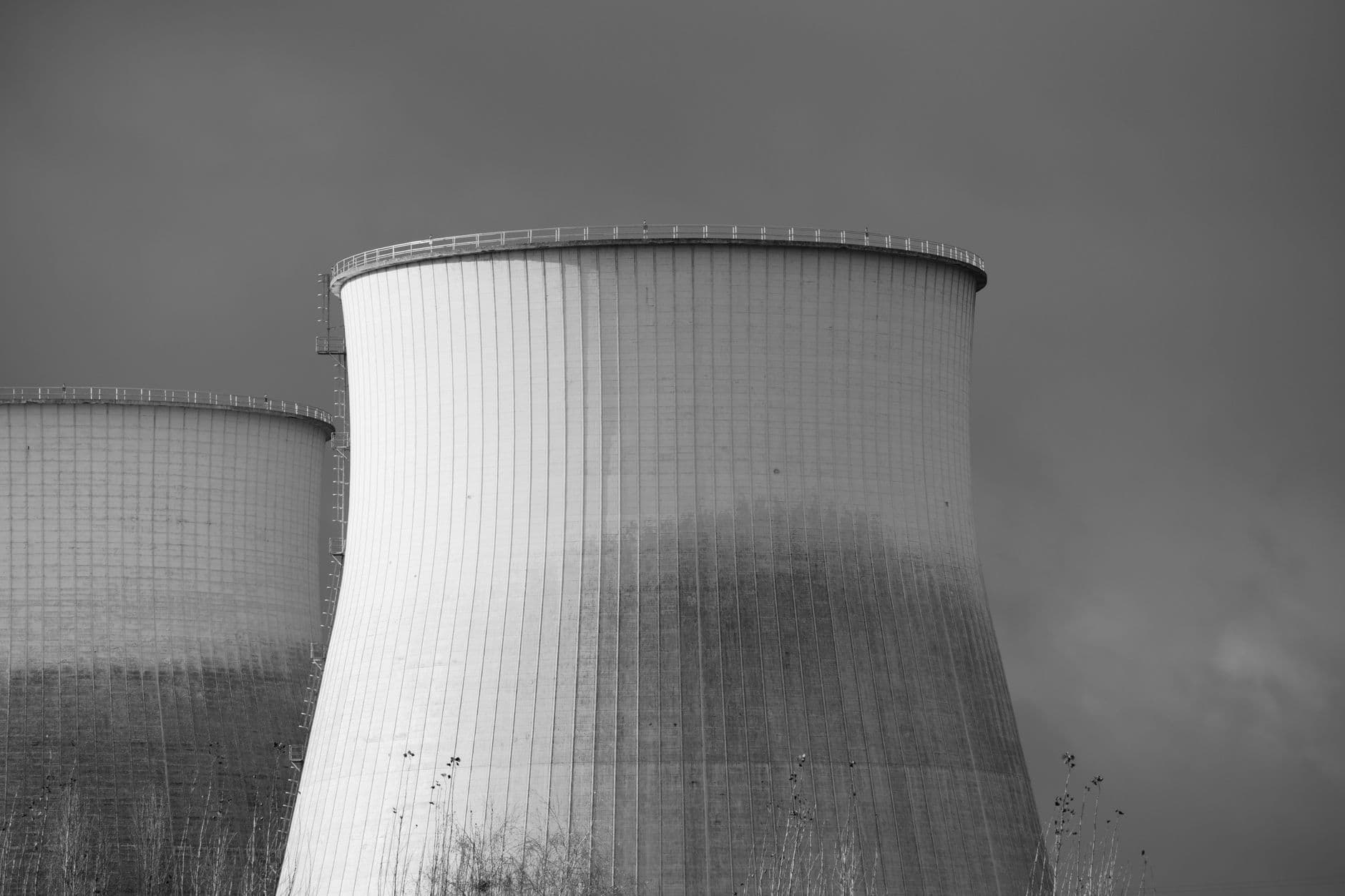
The southern province of Dong Nai has outlined a strategic goal to become the first locality in Vietnam to pilot a nuclear power plant using Small Modular Reactor (SMR) technology by 2035. The City People's Committee has issued a detailed local implementation plan in line with the Prime Minister’s Decision No. 438/QD-TTg, which sets out the national strategy for the development and application of atomic energy for peaceful purposes through 2035, with a vision to 2050.
Under the plan, Dong Nai aims to complete and safely operate the Nuclear Science and Technology Research Center in Hang Gon by 2030. This initial phase includes ensuring the development of synchronized infrastructure, such as transportation links, electricity grids, and water supply, to support the center's operations.
By 2035, the province intends to have all its environmental radiation monitoring stations fully operational. These stations will be integrated into the National Digital Platform and the city’s Intelligent Operations Center (IOC), leveraging Artificial Intelligence (AI) for data analysis and early pollution warnings, as Dong Nai positions itself to be designated the nation's SMR pilot site.
Looking further ahead to 2050, Dong Nai aspires to be a national leader in high-tech industries and a premier regional center for nuclear research, training, and application.
The province plans to establish itself as an integrated clean energy hub for the Southeast region through a "Hybrid Energy System" model. This framework will combine SMRs with renewable sources—including floating solar, biomass, and waste-to-energy—to provide a stable, net-zero emissions baseload power supply specifically for concentrated digital technology zones and data centers.
To support these ambitions, Dong Nai will upgrade its automated environmental radiation monitoring network, linking it directly to central government authorities and the provincial IOC. The city will also bolster its nuclear incident response plans to handle large-scale scenarios, with annual drills conducted in coordination with specialized central forces.
Furthermore, the plan mandates the establishment of medical centers capable of providing specialized treatment for acute radiation syndrome and outlines a framework for the strict management of medical and industrial radioactive waste.
To cultivate a skilled workforce, the city will introduce academic programs in radiation engineering, nuclear medicine, and environmental law, alongside upgrading laboratories and implementing policies designed to attract and retain high-level talent.
Top 5 Vietnam business stories in your inbox every morning. Free, no spam.