energy
Vietnam is embarking on an ambitious energy transition designed to fuel its goals of achieving double-digit growth and becoming a developed, high-income nation by 2045. The energy sector's critical role was codified in the Politburo's Resolution No. 70-NQ/TW, dated August 20, 2025, which frames national energy security as fundamental to socio-economic development and national defense. However, experts warn that significant institutional, infrastructural, and financial hurdles must be overcome to realize these aspirations.
The complexities of this shift were central to a workshop on June 9, "Energy Transition - A Driving Force for Double-Digit Growth Targets," organized by the Ministry of Industry and Trade (MoIT). Associate Professor Ngo Tri Long, an economic expert at the Vietnam Financial Consulting Association, told attendees that the energy transition is no longer optional but a global imperative directly impacting energy security, national competitiveness, supply chain resilience, export standards, and investment flows.
Vietnam's consistently high economic growth relative to its regional peers has driven a correspondingly rapid increase in demand for energy, particularly electricity. In response, the government has initiated a series of reforms to secure the country's energy supply and steer it towards a greener future.
On the institutional front, the MoIT advised the National Assembly on the passage of the amended Law on Electricity in November 2024 and is developing the associated guiding documents. This legislation is intended to provide a stable foundation for policies governing the electricity and renewable energy sectors, with a particular focus on offshore wind power.
In terms of planning, the MoIT has led the implementation of the Adjusted Power Development Plan VIII (PDP8). This strategic blueprint prioritizes the development of green and clean energy sources, aiming to efficiently exploit domestic potential, ensure sufficient supply for economic growth, reduce emissions, and bolster national energy self-reliance.
To stimulate investment, the ministry also advised the government on submitting Resolution No. 253/2025/QH15 to the National Assembly. This resolution, covering the 2026-2030 period, is designed to remove longstanding institutional bottlenecks and create new mechanisms to accelerate the development of critical power projects.
Looking ahead to 2026, the MoIT has prepared for multiple demand scenarios, according to Trinh Quoc Vu, Deputy Director General of the ministry's Electricity Department. The baseline scenario projects a 5.5% increase in load compared to 2025. More aggressive forecasts include an operational scenario with an 11.7% load increase and a contingency scenario anticipating a 14.1% rise.
Vu emphasized the urgency of this planning, noting that the 14th National Congress of the Communist Party of Vietnam has set an economic growth target of 10% or more per year for the 2026-2030 period. "Ensuring sufficient electricity supply for socio-economic development plays an extremely important role," he said. "Under the guidance and direction of the government and various ministries, departments, and localities, we have basically ensured sufficient electricity and energy supply for the country’s economic development in the past."
The MoIT plans to continue this legislative momentum by researching and reviewing further amendments to the Law on Electricity. These changes, expected to be submitted to the National Assembly for promulgation this year, will aim to fully institutionalize the policies outlined in Politburo Resolution No. 70.
Despite these efforts, Vietnam's energy transition is beset by significant limitations. A primary obstacle is the country's power grid, which is severely overloaded and lacks synchronization with the rapid build-out of renewable generation capacity.
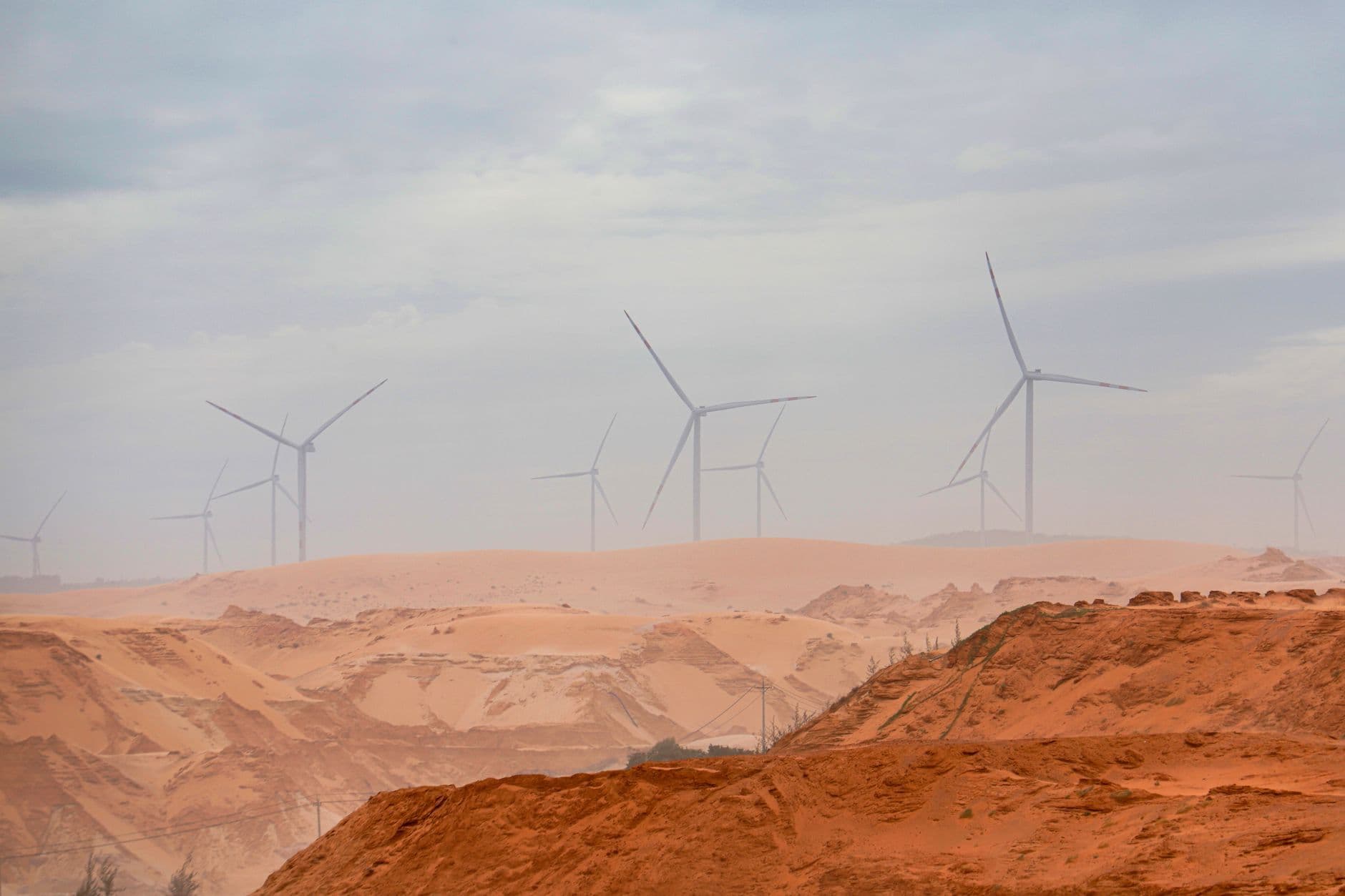
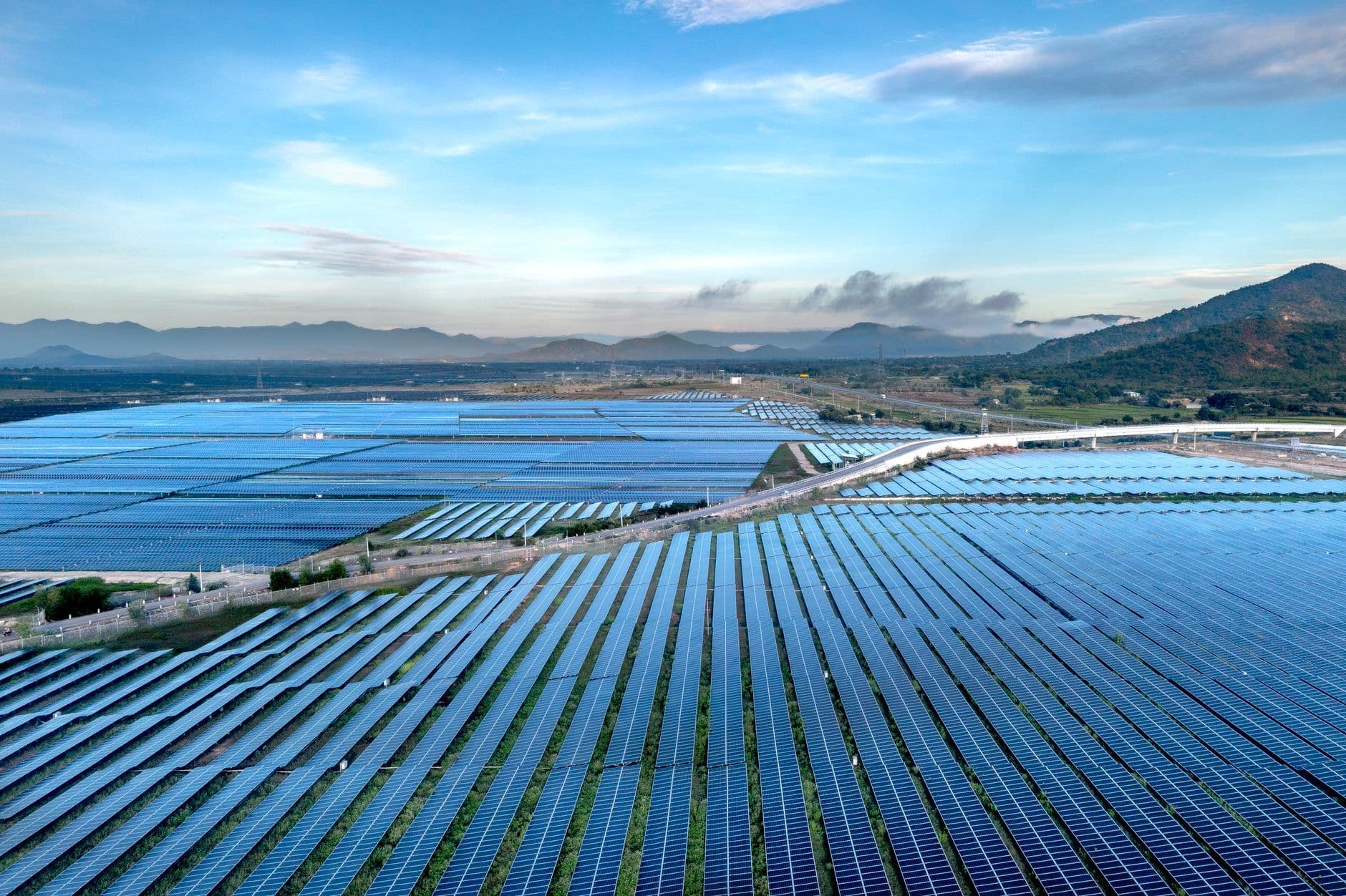
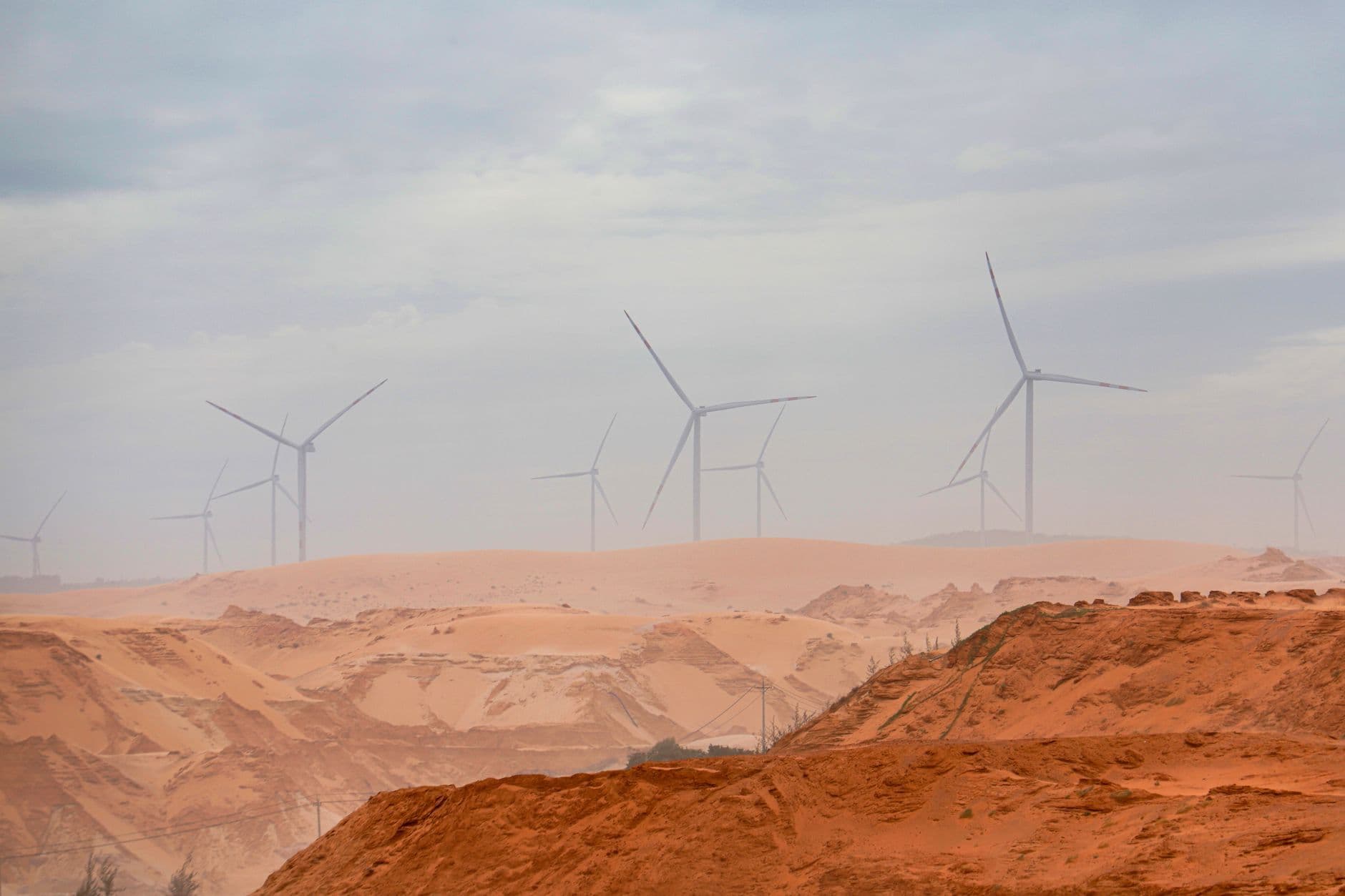
By the end of 2025, Vietnam's total power generation capacity is expected to reach between 87,600 and 95,000 MW. Renewable sources, excluding large hydropower, are projected to account for 27-28% of this total, equivalent to over 24,000 MW. However, much of this capacity is at risk of being wasted. Provinces in the central and southern regions, such as Khanh Hoa and Lam Dong, are frequently forced to curtail renewable energy output by 20-30%, with reductions reaching as high as 50-60% during certain hours or amid sudden weather changes.
This situation creates a paradox, according to Dr. Nguyen Xuan Quang from the Institute of Energy Technology at the Hanoi University of Science and Technology. "Vietnam has clean energy sources but cannot transmit all of them to the grid, leading to wasted resources and reduced investor confidence," he said.
Policy instability further complicates the landscape. The initial Feed-in Tariff (FIT) mechanism successfully spurred a boom in solar and wind power investment. However, this rapid development outpaced the power system's ability to adapt its grid and dispatching capabilities, leading to the curtailment issues that plague many completed projects. Since the FIT mechanism ended, numerous transitional projects have struggled with uncertainty in determining electricity selling prices.
Financial challenges remain a fundamental barrier. The revised PDP8 estimates that a total of $136-150 billion in investment is required for power generation and transmission grids between 2026 and 2030. This translates to an annual capital need of $27-30 billion, equivalent to approximately 6-7% of Vietnam's current GDP, which must be directed towards renewable energy development.
Meanwhile, committed international support is materializing slowly. The $15.5 billion Just Energy Transition Partnership (JETP) is progressing sluggishly, with only a small fraction disbursed, according to Quang. He also noted that high domestic borrowing costs, exchange rate risks, and the threat of production cuts are diminishing the attractiveness of many projects. Foreign investors often require power purchase agreements (PPAs) with specific conditions to access funding from international financial institutions. Compounding the pressure, a global trend of reduced financing for fossil fuels from these institutions is creating headwinds for planned coal and natural gas power projects.
To navigate this critical stage, experts have outlined a multi-pronged strategy. Trinh Quoc Vu of the MoIT stressed the need for several key solutions, including the continued improvement of policies to create a favorable investment environment. He called for regularly urging local authorities to facilitate project implementation to meet deadlines, diversifying capital sources, and encouraging all economic sectors to invest in the power sector.
"With these comprehensive solutions, from the legal framework for power development to project investment implementation, I believe that investors will have sufficient legal framework to implement power projects in general, and renewable energy projects in particular, to realize Vietnam’s sustainable energy development strategy," Vu added.
Dr. Nguyen Xuan Quang proposed a more technical set of solutions, including accelerating investment in the power grid and energy storage systems, perfecting the electricity market mechanism, and promoting the full implementation of the JETP. He also advocated for developing flexible power sources, enhancing energy efficiency, synchronously planning electricity and transportation infrastructure, reforming electricity pricing, and focusing on human resource training for a just transition.
"With its abundant potential and favorable geographical location, Vietnam can absolutely become a renewable energy hub in Southeast Asia," Quang asserted. "The energy transition is not only a responsibility to the environment but also a crucial opportunity for sustainable economic development and ensuring long-term energy security for the country."
Offering a broader perspective, Associate Professor Ngo Tri Long argued that the transition must be grounded in science, markets, technology, and social consensus. He emphasized that Vietnam's energy transition must be understood as encompassing not just electricity, but also petroleum, biofuels like E10, green transportation, energy efficiency, carbon markets, storage infrastructure, smart grids, and a societal shift in consumption behavior.
"If done correctly, energy transition will not be a cost burden," Long concluded. "On the contrary, it will be a driving force for Vietnam to upgrade its growth model, reduce dependence on imported fuels, increase the competitiveness of businesses, attract green investment, expand new industries, and ensure national energy security."
Top 5 Vietnam business stories in your inbox every morning. Free, no spam.