policy
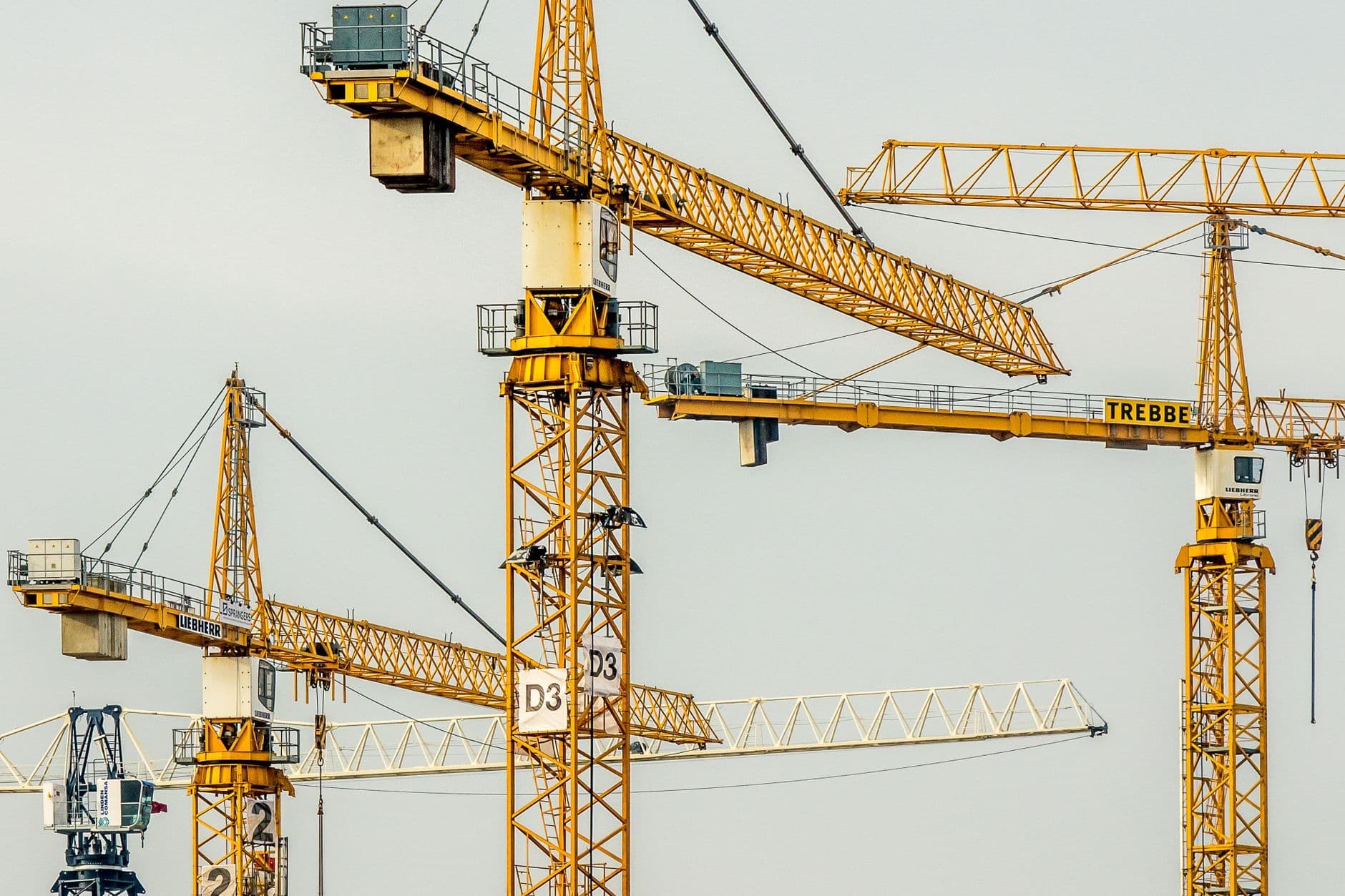
Vietnam has initiated a nationwide effort to resolve thousands of long-delayed projects, aiming to unlock vast sums of frozen capital and land to stimulate economic growth. The drive is underpinned by the National Assembly’s Resolution No. 29/2026/QH16, which provides the policy framework for a large-scale review of developments that have been stalled for years, tying up significant resources.
Provinces across the country are implementing this directive with urgency. In Phu Tho province, authorities have identified 149 delayed projects for assessment, designating the task a key priority to combat waste and unlock resources for socioeconomic development. The provincial People's Committee has assigned specific responsibilities to agencies to classify projects, identify the root causes of delays, and establish clear completion timelines.
A similar approach is underway in Nghe An province, where a steering committee has identified 87 projects facing difficulties, with 81 still unresolved. The province has established a phased roadmap to clear the backlog, with 35 projects targeted for resolution by June 15, another 21 by July 30, and the final 25 scheduled for completion by November 30, 2026.
Other regions are also intensifying their efforts. In Danang, agencies have been instructed to conduct urgent reviews to clarify and classify obstacles related to land, planning, investment, and finance. Quang Ninh province is focused on categorizing projects based on their specific issues and has mandated that all cases be resolved within 2026. Meanwhile, a dedicated steering committee in Khanh Hoa province is addressing 217 stalled projects and state-owned assets burdened by land use delays and legal complications.
Among the localities, Ho Chi Minh City has emerged as a notable success story. The city has completed a comprehensive review of all 838 stalled projects, developments, and land plots, and has either finalized the resolution process or established a clear course of action for each case. These efforts have already yielded significant economic benefits, unlocking more than $8.24 billion in investment capital and returning nearly 17,000 hectares of land to productive use, demonstrating the effectiveness of tackling long-standing impediments.
The macroeconomic importance of this initiative is significant, according to senior economist Nguyen Minh Phong. He noted that resolving these projects is crucial as Vietnam pursues higher economic growth targets. “Significant resources in the form of land, investment capital, assets and development space remain tied up in long-stalled projects,” Phong said. “Once legal, planning, land-related and investment procedural obstacles are removed, these resources can be returned to production and business activities, creating additional room for growth. Therefore, resolving stalled projects should be regarded as one of the key solutions for reducing waste and improving the efficiency of national resource utilisation.”
As this long-standing issue of stalled projects is systematically addressed, investment flows are expected to circulate more freely through the economy. The initiative is viewed not just as a measure to resolve difficulties for individual projects and localities, but as a critical driver for enhancing national resource allocation and building a foundation for rapid, sustainable growth in the country's next development phase.
Top 5 Vietnam business stories in your inbox every morning. Free, no spam.