companies
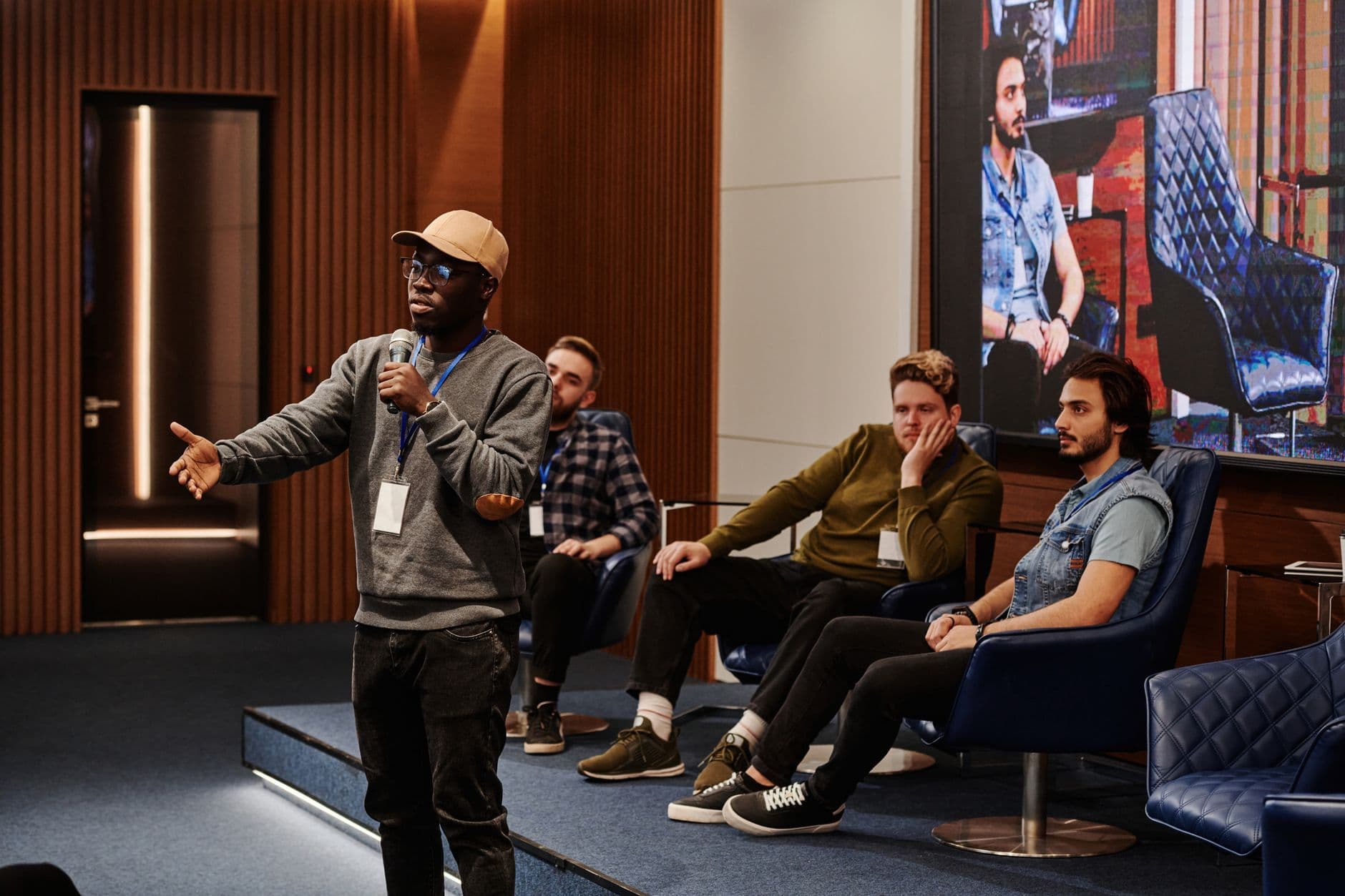
HAI PHONG – Corporate and media leaders gathered in Vietnam to address the critical challenge of maintaining public trust in an era defined by rapid information flows, social media proliferation, and the rise of artificial intelligence. At the "Press - Businesses Accompanying to Create the Future" forum held on June 20, on the sidelines of the National Press Festival 2026, speakers from major corporations and news organizations called for a stronger, more transparent partnership to combat misinformation and ensure the press can fulfill its role as a credible guide for society.
Representing the business community, Le Thi Hong Nhi, Deputy General Director of Communications, External Relations, and Sustainable Development at Unilever Vietnam, underscored the essential role of the press in placing information within a social context, which helps the public gain a correct understanding and fosters constructive dialogue. When information is correctly understood, trust is fortified, providing society with the motivation to act.
"However, trust is not something that exists automatically. Trust must be built from correct information, responsible dialogue, and substantial actions that can be verified," Ms. Nhi stated.
She noted that social media can powerfully and rapidly influence public emotion, allowing unverified information to spread with significant impact. In this environment, she argued, businesses must proactively engage in dialogue and ensure transparency to protect their reputations. Concurrently, the press must maintain a two-way information mechanism to provide the public with a comprehensive understanding of events.
From the financial sector's perspective, Chu Hai Cong, Public Relations Director at MB Bank, highlighted the scale of Vietnam's digital landscape, with 137 million mobile connections, 85.6 million internet users, and 78 million social media accounts. According to Mr. Cong, the primary challenge is no longer accessing information but determining its trustworthiness.
To illustrate the tangible impact of a trust crisis, the MB Bank representative cited the 2008 collapse of Lehman Brothers and the 2023 crisis at Silicon Valley Bank. In both cases, damaged public trust led to waves of withdrawals and stock sell-offs, causing the financial institutions to rapidly lose liquidity. "Trust is an intangible asset, but when lost, the damage is entirely tangible," Mr. Cong remarked.
He added that while technology connects and data enables operations in the digital economy, trust is the fundamental factor that allows society to accept and engage. This trust is not created by appeals but is formed through actions and reinforced by truth. Customers may initially be drawn to a bank for its products, Mr. Cong said, but they will remain because of trust.
This places a responsibility on businesses to maintain transparency, safeguard assets, protect data, and create real value for customers. He concluded that the press and businesses must enhance mechanisms for sharing, verifying, and interacting to collectively build a healthy information environment.
Le Quoc Vinh, Chairman of Le Bros Media Group, initiated a panel discussion by questioning whether public trust is being eroded by the explosion of fake news and unverified content online.
Nguyen Minh Duc, Deputy Director of Hanoi Press, Radio and Television, responded that trust is an "eternal value." He asserted that the press holds legitimacy and has a duty to protect the truth, emphasizing that in an era of rampant fake news, all information must be verified from multiple sources before publication.
Vu Thi Anh Hong, Deputy Editor-in-Chief of the Economic - Finance Magazine, argued that public trust is only formed when the press effectively fulfills its role of conveying truth and disseminating accurate information. She referenced the 2018-2019 controversy over scrap material imports, when fears arose that Vietnam could become a "world's trash dump." Ms. Hong noted that the press intervened to clarify the situation and successfully urged regulatory agencies to implement appropriate solutions.
For a productive partnership, she added, the press must not only communicate policy but also listen to the concerns and recommendations of businesses to help refine policies. In turn, businesses must be more forthcoming with information, countering a recent tendency to hesitate or avoid engaging with the press.
Nguyen Anh Vu, Editor-in-Chief of Culture Newspaper, described trust as the "soft infrastructure of society." He cautioned that media outlets sometimes chase views, which can lead to unverified reporting that gradually alienates readers. "We can be slow, but it must be true and clean, with reasoning, guiding, and orienting public opinion. Businesses must also build trust through correct business practices and environmental protection," Mr. Vu stated.
Dao Quang Binh, Vice Chairman of the Editorial Board and General Director of Tap chi Kinh te Viet Nam / Vietnam Economic Times / VnEconomy, affirmed that trust is a critical spiritual foundation for the press, businesses, and society. He argued that in an environment where social media and AI can also produce content, the key differentiator for mainstream journalism is its ability to verify, confirm, and ensure authenticity. "To maintain trust, the press must prioritize authenticity and verification," Mr. Binh said.
He further contended that information must be more than just correct; it must be useful and provide positive value. "The press must not only provide 'correct' but also 'worthy' information which must bring positive effects to society; if it causes harm, it should not be used. The ultimate criterion of the press is that information must be beneficial to society," said Mr. Binh.
He explained that after 35 years of accompanying businesses, his organization has evolved to stand alongside them, creating an organic connection between its editorial office and corporate communication departments. "We have a division to communicate with the PR staff of businesses, with all information conveyed immediately," Mr. Binh noted.
Concluding the discussion, Le Quoc Minh, Chairman of the Vietnam Journalists Association, pointed out that since press revenue is largely derived from businesses, their role is extremely important, necessitating mutual support. He observed, however, that this relationship has recently evolved in ways that have made some businesses apprehensive, with complaints that the press is not operating in a healthy manner. "The press and businesses must accompany each other, not think that 'you need me, but I don't need you,'" Mr. Minh urged.
Top 5 Vietnam business stories in your inbox every morning. Free, no spam.