infrastructure
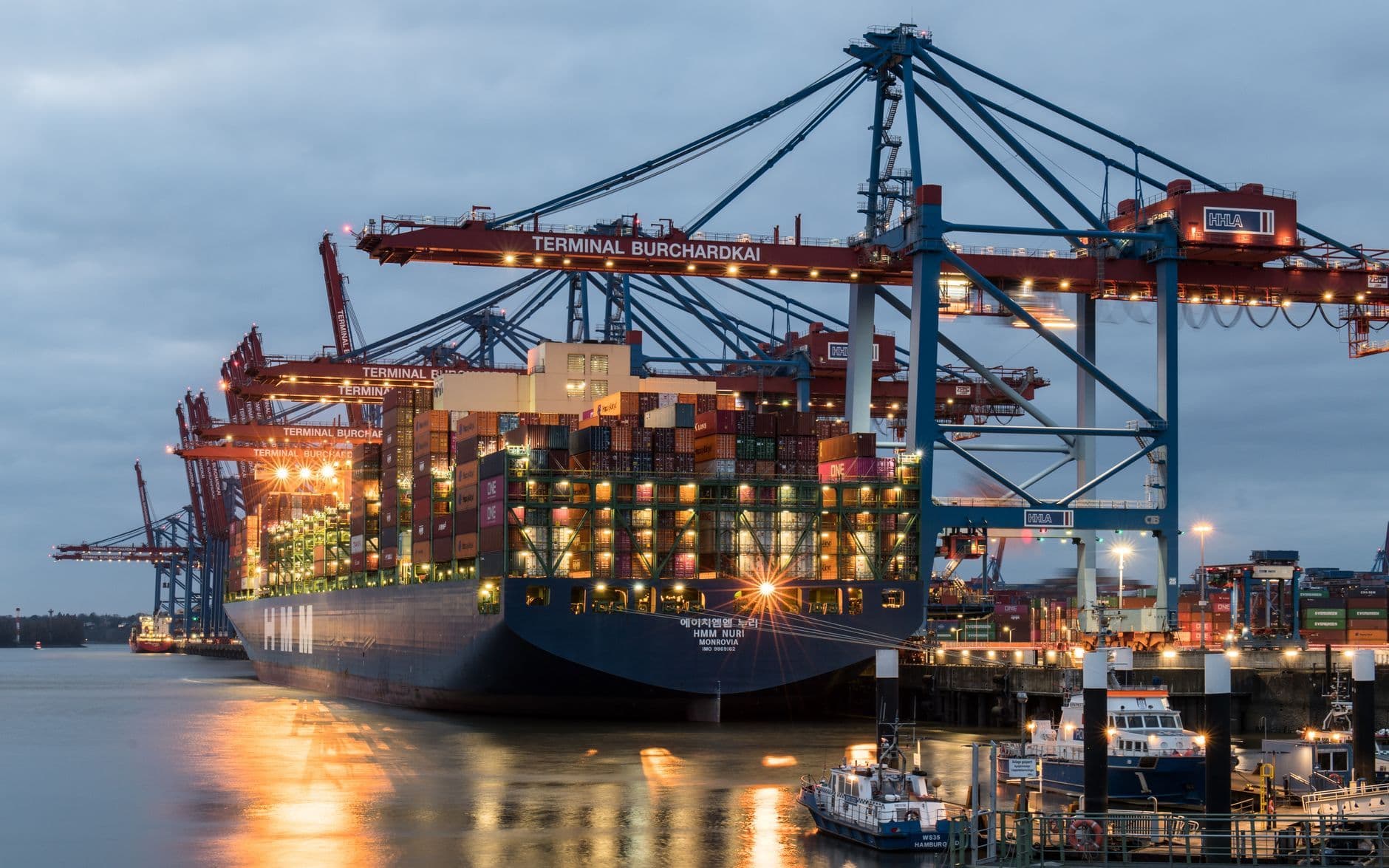
Hanoi has approved a comprehensive master plan for northern Quang Ninh province, setting a course for its transformation into a national maritime economic hub and a key driver of regional development through 2050. The plan, formalized under Decision No. 1123/QD-TTg issued by the Prime Minister on June 23, 2026, aims to develop Quang Ninh into a modern, smart, green, and sustainable city. The province is positioned to become a national growth pole with international competitiveness, balancing economic expansion with social welfare and environmental protection.
The planning scope covers a land area of approximately 6,232.4 square kilometers, in addition to the province's administrative sea territory. The development is structured in distinct phases: a short-term plan to 2040, a long-term strategy to 2050, and a broader vision extending to 2075. The strategy directs the province to create an integrated ecosystem combining its urban, maritime, border, and heritage assets. This integrated approach is intended to provide the spatial and infrastructural foundation for developing services, the maritime economy, and high-tech industries, all closely linked with science, technology, innovation, and green and digital transformations.
The long-term vision identifies Quang Ninh as an international gateway, a global service and tourism hub, and a national maritime economic center. It is envisioned as a civilized, modern coastal city with a high international standard of living, pioneering national innovation models while remaining human-centric and focused on its heritage.
The development roadmap outlines several key milestones. By 2030, Quang Ninh is slated to become an international tourism service center, a national trade gateway, and a hub for high-quality services and high-tech manufacturing. By 2040, the province is expected to evolve into a national maritime economic center and a modern coastal city that applies innovative models in economic development, social management, and infrastructure governance.
By 2050, Quang Ninh is oriented to be an international heritage city and a leading maritime economic center for both the nation and Southeast Asia. It is set to serve as a key national economic locomotive and a model for green, smart, and sustainable urban governance that preserves local identity and adapts to climate change. The plan ultimately defines the province's character as a "green, smart, and climate-resilient" coastal-border-heritage city, serving as a vital national transport node connecting domestic and international economic corridors and acting as a regional hub for logistics and trade.
Top 5 Vietnam business stories in your inbox every morning. Free, no spam.