companies
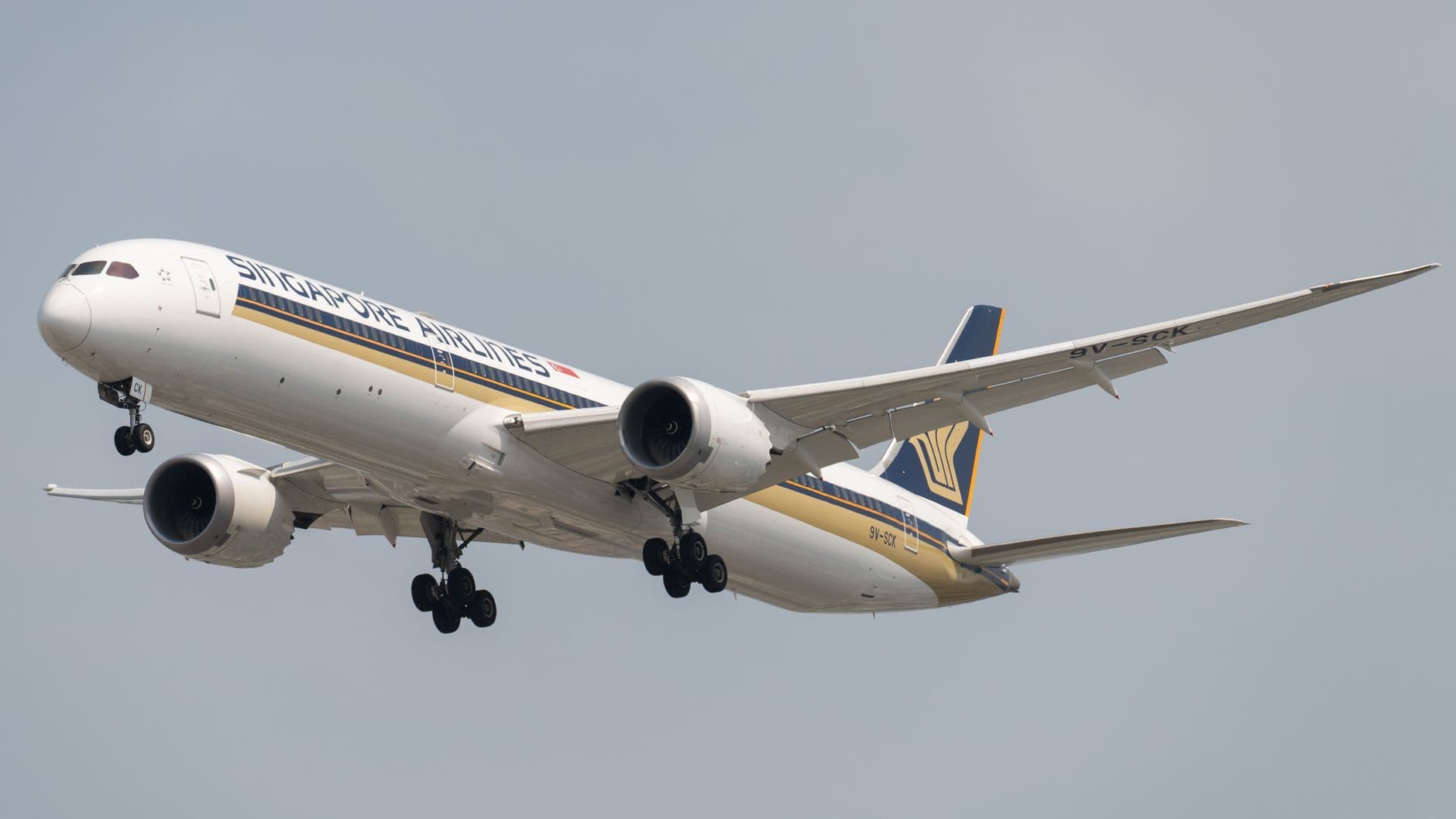
Singapore Airlines CEO Goh Choon Phong’s total remuneration for the financial year ending March 2026 rose 38% to S$9.69 million (US$7.5 million), even as the carrier reported a 57% decline in annual net profit. The details were disclosed in the company's annual report released on Thursday.
Goh, who has served on the airline's board since October 2010, received a base salary of S$1.46 million, accounting for 15% of his total compensation. The bulk of his package consisted of S$4.75 million in shares (49%) and S$3.34 million in bonuses (35%).
The significant increase in share-based pay was attributed to conditional shares granted last July for the airline's fiscal 2024/2025 performance. This was part of a long-term incentive scheme introduced during the Covid-19 pandemic to retain key executives, The Straits Times reported. A temporary surge in share compensation occurred due to an overlap as this scheme is phased out and replaced by the airline's existing share plans.
Other senior executives also saw substantial remuneration. Chief Commercial Officer Lee Lik Hsin and Chief Operations Officer Tan Kai Ping each received between S$3.75 million and S$4 million, including the strategic share award. Among non-executive directors, pay ranged from S$160,830 to S$824,610, with Chairman Peter Seah Lim Huat receiving the highest amount.
For the year, Singapore Airlines posted a net profit of S$1.18 billion, down sharply from the previous year. The decline came despite record revenue of S$20.5 billion and a 39% rise in operating profit to S$2.4 billion. The net profit figure still surpassed analyst expectations of S$1.08 billion, with Bloomberg noting the result was impacted by a sizable impairment related to the airline's investment in Air India.
In the annual report, Chairman Seah highlighted a challenging operating environment marked by "rising geopolitical tensions, macroeconomic uncertainty and continued supply chain disruption." He noted that the Middle East conflict drove up jet fuel prices, the group's largest expense. However, Seah also pointed to robust demand for air travel, which allowed the airline to carry a record 42.2 million passengers. "The Group’s nimble response to the Middle East conflict bucked the broader industry trend of shrinking capacity and networks," he added.
Top 5 Vietnam business stories in your inbox every morning. Free, no spam.