companies
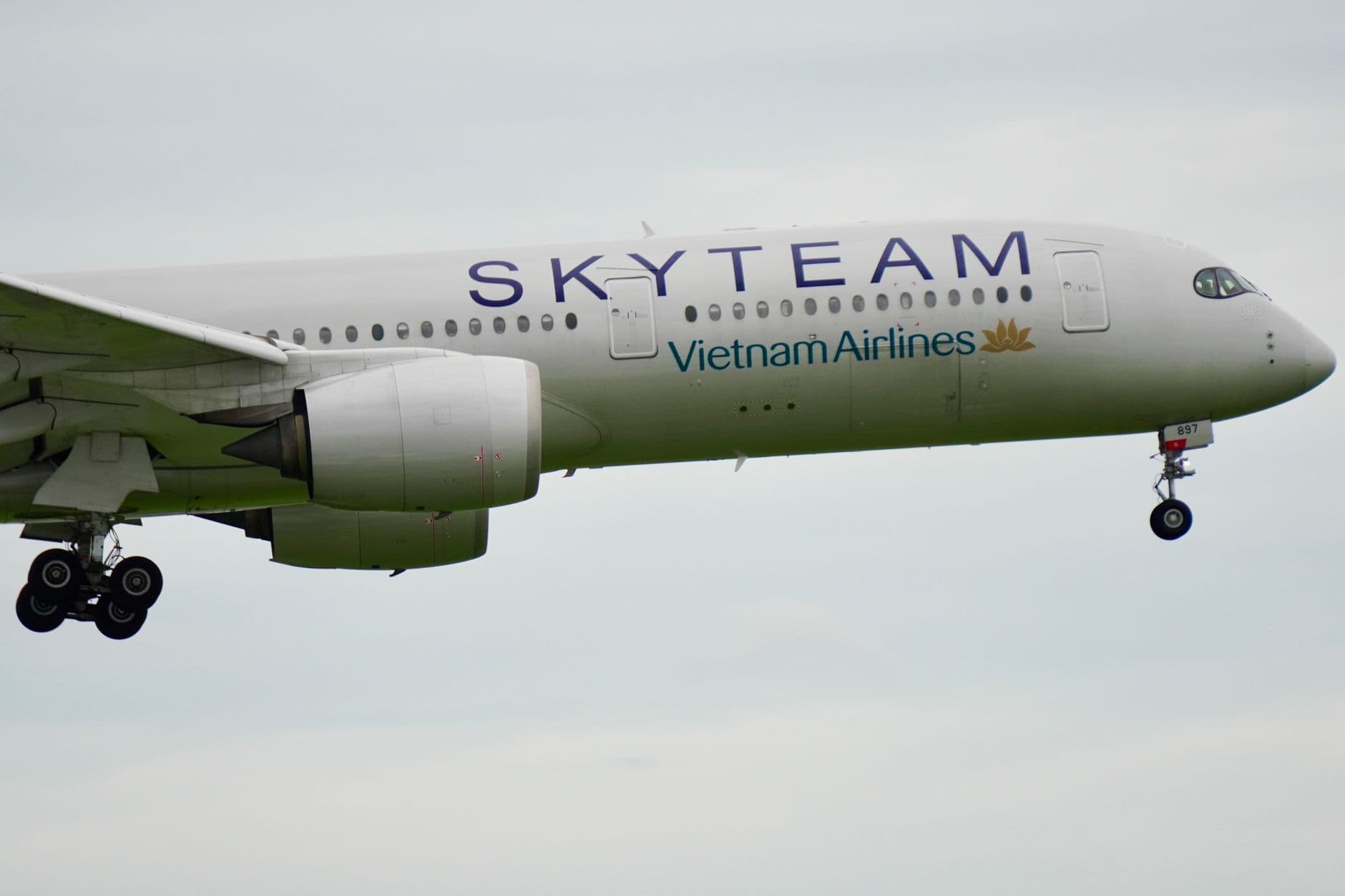
National carrier Vietnam Airlines has set a target to remain profitable in 2026, navigating significant headwinds from surging jet fuel prices, currency fluctuations, and rising operational costs as it embarks on an ambitious restructuring and expansion plan.
Speaking at the airline's Annual General Meeting of Shareholders on Sunday, President and CEO Lê Hồng Hà outlined the challenges facing the company as it begins its long-term development strategy for 2026–35. He noted the strategy is being implemented against an "increasingly uncertain global economic and geopolitical backdrop."
The airline has been acutely affected by sharp increases in aviation fuel prices, driven by geopolitical tensions in the Middle East. At one point, Jet A1 fuel prices surpassed US$200 per barrel. For 2026, Vietnam Airlines is forecasting an average Jet A1 price of $128.54 per barrel, a nearly 48 per cent increase from 2025. This price surge alone is projected to add VNĐ11.9 trillion ($455 million) to its fuel bill compared to the previous year, before accounting for exchange rate movements or shifts in passenger demand.
Beyond fuel, the carrier is also contending with foreign exchange volatility, higher global maintenance and logistics costs, and increased expenses related to environmental compliance and its green transition. "Since April, our operations have been significantly affected by rising fuel prices resulting from the conflict in the Middle East, placing considerable pressure on our business performance," Hà stated.
To counter these pressures, Vietnam Airlines has implemented flexible operating scenarios, optimised its route network, tightened cost controls, and improved fleet utilisation. In the first half of the year, the airline launched or announced new international services to Amsterdam, Phuket, and Colombo, and increased flight frequencies to Singapore, Manila, Moscow, Kaohsiung, Melbourne, and Sydney to capture rising travel demand.
The carrier is also advancing strategic initiatives to boost capacity and efficiency. This includes a long-term investment plan for 50 new narrow-body aircraft, with deliveries scheduled between 2030 and 2032. In the interim, it plans to lease 20 additional narrow-body aircraft for the 2027–28 period. The airline also expects to introduce its first dedicated cargo aircraft in the third quarter of 2026 and will continue expanding its technical infrastructure at key hubs, including the new Long Thành International Airport.
Recent geopolitical developments, including the reopening of the Strait of Hormuz and a ceasefire agreement between the US and Iran in June, have provided some relief, with jet fuel prices easing to around $112–$115 per barrel. Based on an assumption that fuel prices will average around $120 per barrel in the second half of the year, Vietnam Airlines now forecasts a pre-tax profit of approximately VNĐ101 billion for the parent company and VNĐ510 billion on a consolidated basis.
"Although these figures are significantly lower than our first-quarter performance, they reflect our strong efforts to optimise costs and respond to an exceptionally challenging operating environment marked by rising input costs, supply chain disruptions, geopolitical uncertainty and intensifying market competition," Hà explained.
To manage aircraft shortages, the airline has adjusted flight frequencies to align with market demand while safeguarding its core domestic network. The Vietnam Airlines Group, which includes Pacific Airlines and VASCO, will maintain its focus on key trunk routes while expanding capacity to leisure destinations.
For the full year 2026, the airline targets carrying 27.73 million passengers, an 8.1 per cent year-on-year increase, and 361,400 tonnes of cargo, up 6.2 per cent. Consolidated revenue is projected to reach VNĐ138.9 trillion, a rise of more than 12 per cent from 2025.
Chairman Đặng Ngọc Hòa affirmed that the airline would continue its organisational restructuring, streamline business processes, and strengthen its workforce of pilots, cabin crew, and engineers to support its anticipated double-digit growth. He added that alongside direct aircraft purchases, the company will continue to evaluate dry-lease and wet-lease options to ensure capacity during peak periods.
In line with the government's Politburo Resolution 57-NQ/TW, the carrier is accelerating its digital transformation strategy to develop a digital airline model meeting international standards. It is also advancing its environmental, social, and governance (ESG) agenda by working to reduce carbon emissions, improve fuel efficiency, and explore the use of sustainable aviation fuel (SAF). The company reaffirmed its commitment to enhancing service quality and strengthening corporate governance as it pursues its goal of becoming a five-star international airline by 2030.
Top 5 Vietnam business stories in your inbox every morning. Free, no spam.