retail
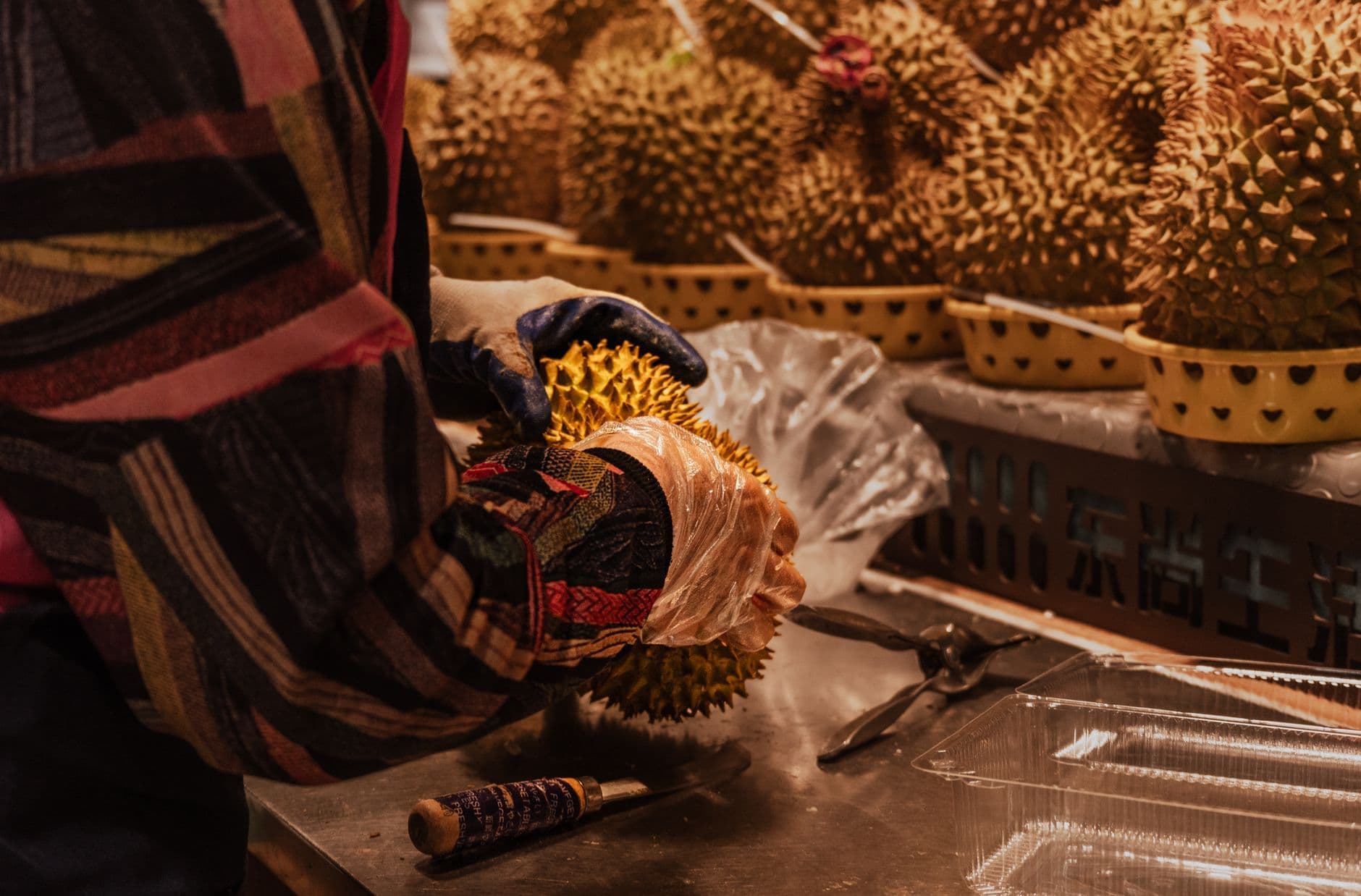
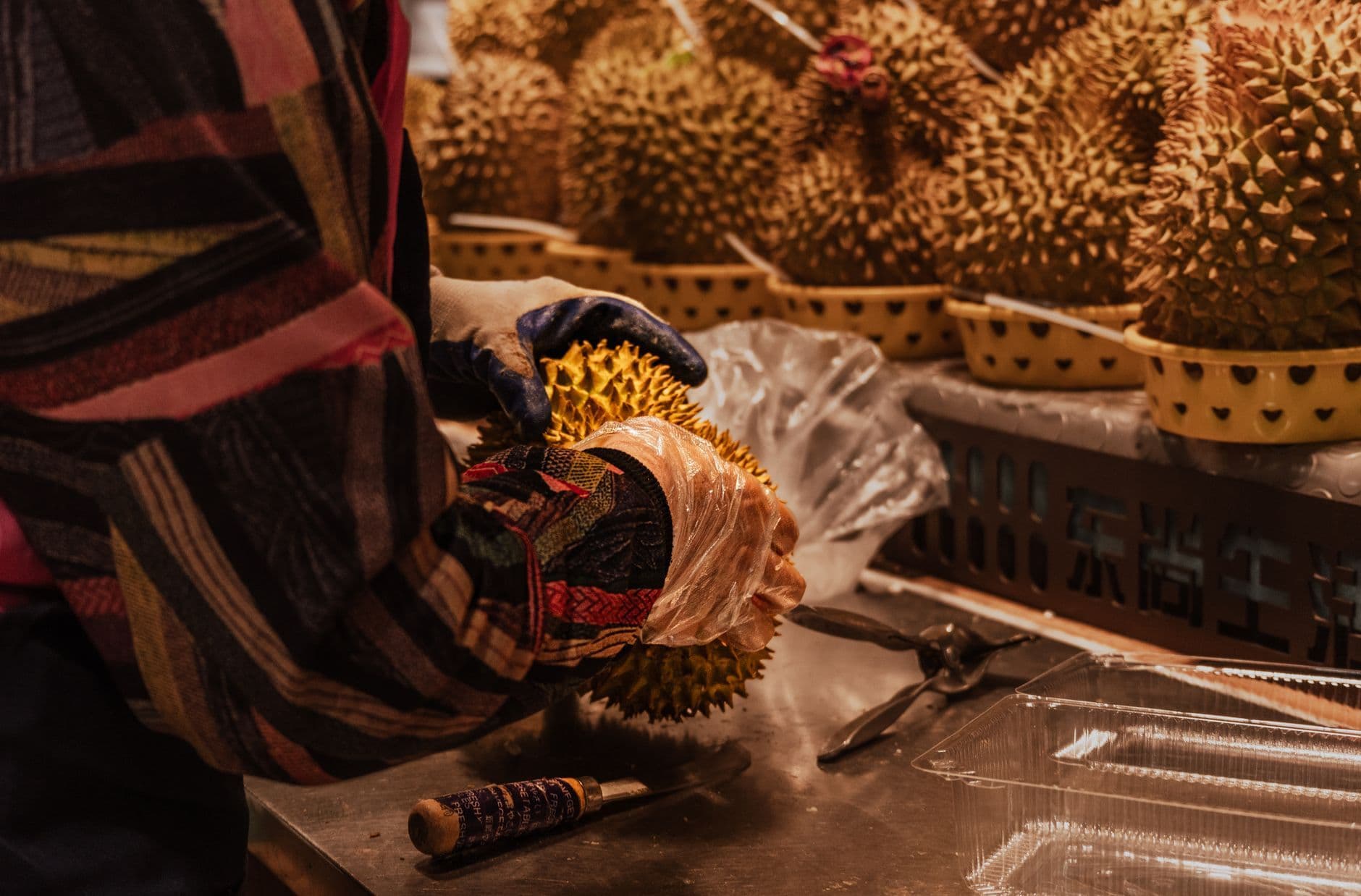
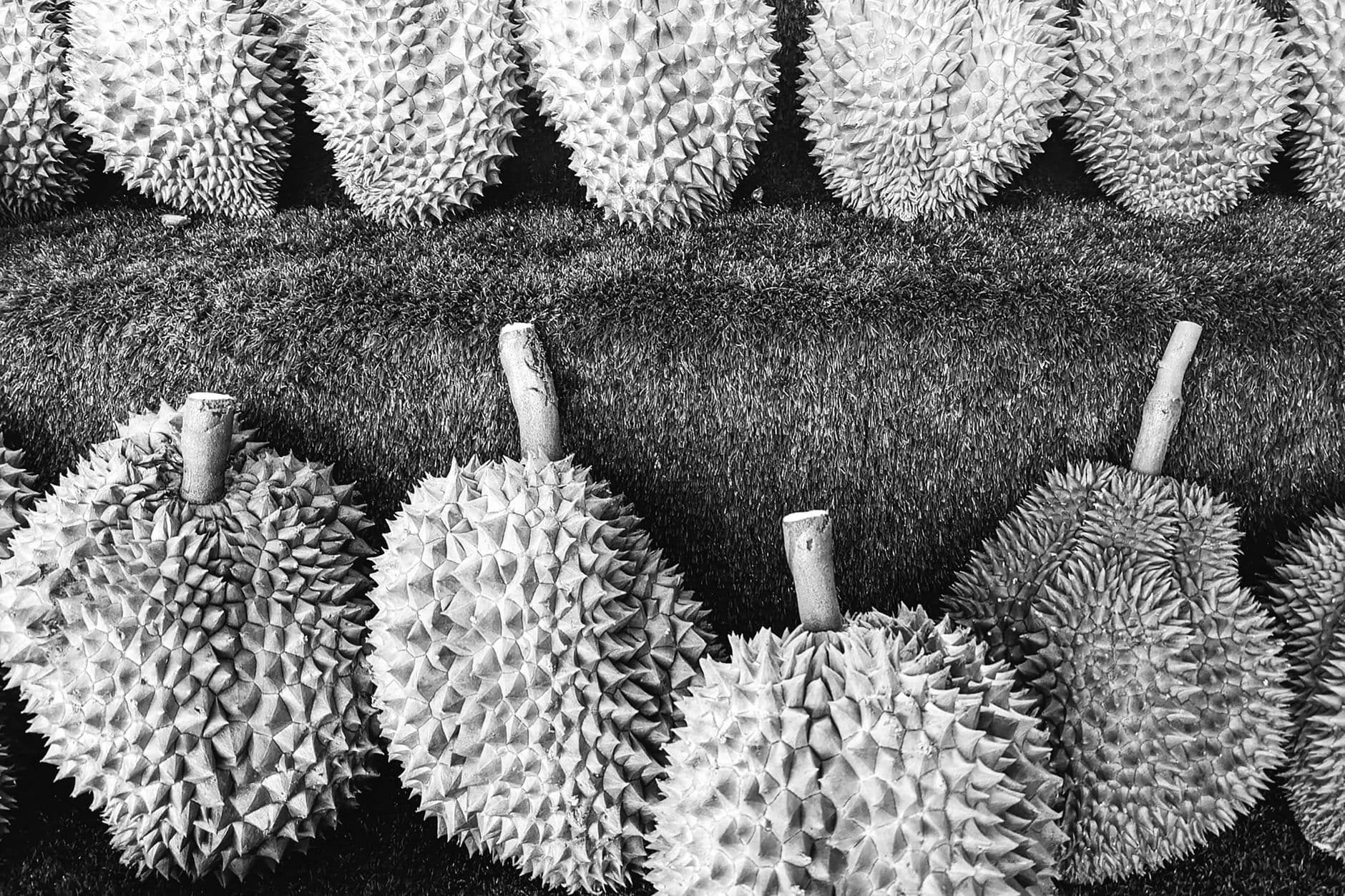
Durian prices in Singapore have fallen sharply, driven by a significant oversupply from Malaysia, the city-state's primary source for the fruit. The popular Musang King, or Mao Shan Wang, variety is now selling for S$20 (US$15.4) per kilogram, a steep drop from its peak of approximately S$28 in March.
According to a report last Wednesday by financial website Dollar and Sense, some vendors are offering smaller or lower-grade fruits for as little as S$8 per kilogram. Other varieties have also seen prices decline, with Black Thorn available for S$12-33 per kilogram, while D24 and Red Prawn are being sold for as low as S$10 and S$12 per kilogram, respectively. Kelvin Tan, co-founder of durian retailer 99 Old Trees, told The Straits Times that the fruit is "the cheapest it’s been in the last five years."
Singapore imports the majority of its durians from Malaysian states like Johor and Pahang, where peak harvest seasons occur around June-July and December. In Malaysia, the price collapse has been even more dramatic. Musang King is selling for around RM6 (US$1.5) per kilogram, down from a previous high of RM90, while other types such as 101 and Red Prawn have fallen to as low as RM2 per fruit, according to Sin Chew Daily. However, vendors in Singapore caution that local prices are unlikely to fall as steeply. Melvin Chua of Durian Garden, a delivery-focused stall, noted the high operating costs in the city. "As a producer country, (Malaysia is) flush with stock and can afford to sell it... cheap," Chua told ST. "Once you add on the costs of overheads, transport and GST (Goods and Services Tax), we cannot lower it until that level."
The current supply glut in Malaysia, which local media has dubbed a "durian tsunami," mirrors a similar event late last year. It is attributed to a surge in local production during the peak harvest season, following years of rapid expansion in durian cultivation, combined with tighter import restrictions in some key export markets. As durians have a short shelf life, farmers and vendors have been forced to offer aggressive promotions to move inventory and prevent spoilage.
Cheah Kim Wai, manager of the DurianMan shop in Petaling Jaya, told AFP that while traders were concerned about shrinking profits, they had little choice but to continue selling. "Business must go on," he said, adding, "Durian really has become something ordinary people can afford to eat, priced like the old kampung (village) durians used to be." Some Malaysian sellers are allowing customers to fill large gunny sacks for RM100, while others offer plastic bags for customers to pick their own fruit at a fixed price per piece. The promotions have drawn large crowds, with videos showing long queues at stalls in Bangi, Selangor, that offered durians for just RM0.5 each, AsiaOne reported.
At an event organized by Malaysia's Federal Agricultural Marketing Authority, customer Sik Siao Peng told AFP, "Malaysians are getting to enjoy cheaper durian... it makes us happy." In Singapore, supermarkets and businesses are also capitalizing on the trend with all-you-can-eat buffets, free-flow durian events, and giveaways. Local sellers anticipate that Musang King prices could slide further to around S$18 per kilogram, a level consistent with the previous supply glut in Malaysia.
Top 5 Vietnam business stories in your inbox every morning. Free, no spam.